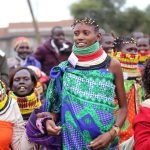
As Kenya moves deeper into its election season, campaign caravans snake through towns, political slogans echo from loudspeakers, and social media timelines burn with accusations and counter-accusations. The air is charged. Conversations in matatus, markets and offices quickly turn tense. Friendships strain under the weight of political allegiance.
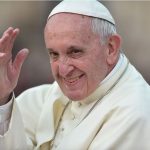
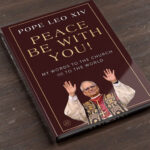
It is in such a climate that the words of Pope Leo XIV in his book Peace Be With You take on a piercing relevance. He speaks of what he calls the “globalization of powerlessness” a growing sense across the world that ordinary people feel unable to influence the forces shaping their lives. That phrase feels uncomfortably familiar during election campaigns.
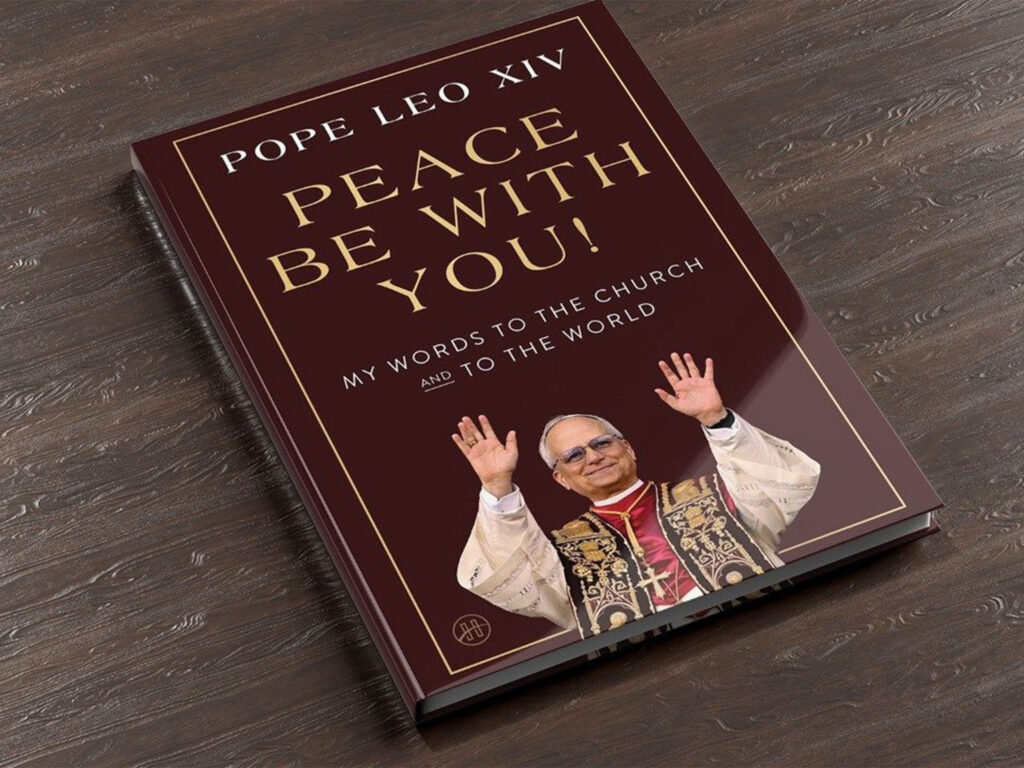
Many citizens watch political rallies and televised debates with a mix of hope and fatigue. Promises are made. Old wounds are reopened. Tribal loyalties are subtly, and sometimes openly exploited. And amid the noise, a quiet resignation settles in: What difference does my voice make? Will anything truly change? These words empower powerlessness and spreads it, not only through war and global crises, but through divisive politics that leave citizens feeling used rather than heard.
Yet Pope Leo offers an unexpected response. He shifts the focus from national arenas to the most overlooked battleground of all: the human heart. “Our heart is the most important battlefield,” he writes. It is there that we must win a “bloodless but necessary victory” over impulses of anger, domination and fear.
In Kenya’s charged political atmosphere, this message feels urgent. Election periods often tempt us to reduce one another to party colours or tribal identities. We stop listening. We assume the worst. We forward inflammatory messages without verifying them. We allow suspicion to harden into hostility. Slowly, division becomes normal. However, if the heart is the battlefield, then the first victory is personal.
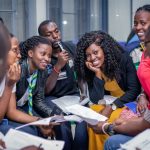
The Pope insists that only peaceful hearts can build a peaceful society. No constitution, no manifesto, no campaign slogan can substitute for interior conversion. He urges believers to create what he calls “non-violent workshops” spaces where suspicion becomes encounter. In practical terms, this might mean choosing dialogue over online insults. It might mean refusing to share divisive propaganda. It could mean sitting at the same table with someone who votes differently and choosing to listen rather than argue.
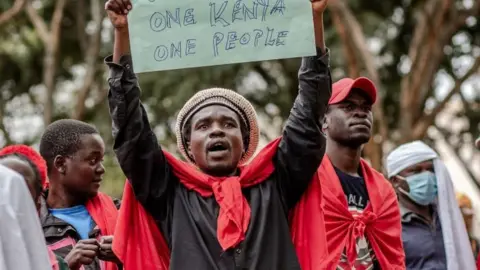
Perhaps most radical of all is his call to prayer.
Prayer, he says, is an “unarmed force” that seeks the common good without exclusion. In a political season obsessed with numbers and dominance, prayer reminds us that leadership is ultimately about service. By praying, we disarm our ego. We loosen our grip on the need to win at all costs. We remember that our neighbour’s dignity does not depend on how they vote.Kenya’s democracy is tested not only at polling stations but in hearts. The globalization of powerlessness may tempt citizens into apathy or aggression. But peace begins quietly; in restraint, in truthfulness, in courage to love beyond tribe and party. As campaigns intensify, perhaps the most revolutionary act is this: to refuse to let division define us, because while elections will pass, the condition of our hearts and the future of our nation will remain