By Kennedy Otieno Oyule
Canadian Martyrs’ Nangina Catholic Parish, the oldest Catholic parish in the Diocese of Bungoma, is preparing to begin a year-long journey toward its 100th anniversary. The celebrations will officially be launched on June 24, the Feast of the Nativity of St. John the Baptist, marking 99 years since the parish was founded and ushering in preparations for its centenary in 2027.
Established in June 1927 by the Mill Hill Missionaries, Nangina Parish holds a unique place in the history of the Catholic Church in western Kenya. Over the decades, it has become the mother parish from which dozens of other Catholic communities have grown, shaping the Church’s presence across the region.
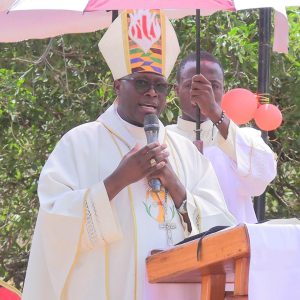
The Bishop of Bungoma Diocese, Bishop Mark Kadima Wamukoya, will preside over the official launch of the centenary journey. He has praised the pioneering efforts of the Mill Hill Missionaries and the Canadian benefactors whose generosity helped lay the foundation for one of Kenya’s most influential Catholic missions.
Speaking ahead of the celebrations, Parish Priest Fr. Peter Masiga said the centenary year will be a time of both thanksgiving and spiritual renewal. Throughout the year, parishioners will take part in pilgrimages, retreats, recollections, seminars, and charitable activities designed to deepen their faith and strengthen their commitment to the Church’s mission.
Among the planned activities are pilgrimages to important Catholic sites, including Subukia, Namugongo, Kibeho, and the grave of Bishop Nicholas Stam in Mumias. Parish members will also reach out to vulnerable members of society by visiting prisons, children’s homes, hospitals, and elderly people in their communities, reflecting the Gospel call to serve others with compassion.
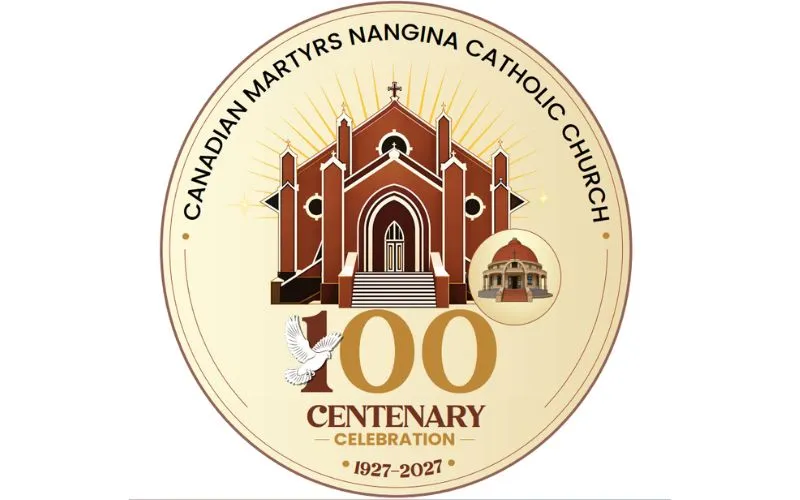
Fr. Masiga described Nangina as the birthplace of the Catholic Church in Bungoma Diocese. Founded by the first parish priest, Fr. Peter Coenen, the parish became the starting point from which all 72 parishes in the diocese trace their origins. Its influence has extended far beyond Busia County, where it was first established.
Historical records prepared for the centenary show that the creation of the parish followed years of missionary work led by Bishop Nicholas Stam, who evangelized across Bunyala, Samia, Bukhayo, and Teso between 1916 and 1926. Although the missionaries initially encountered challenges in acquiring land for the mission, the dispute was eventually resolved, allowing Nangina to become the permanent home of the new Catholic mission.
When the parish officially opened in 1927, it served about 1,000 baptized Catholics. That same year, it celebrated its first infant baptism, adult baptisms, and Catholic marriage, laying the foundation for a vibrant Christian community that continues to grow today.
The history of Nangina Parish is closely linked to the remarkable legacy of the Mill Hill Missionaries. The first group arrived in East Africa in 1895, travelling nearly 800 miles on foot from Mombasa to Kampala through difficult terrain, disease-prone regions, and insecurity to spread the Gospel. Their dedication led to the establishment of churches, schools, seminaries, and healthcare institutions that transformed lives across western Kenya.
Among the pioneering missionaries remembered during the centenary celebrations are Bishop Nicholas Stam and Bishop Gorgonius Brandsma, whose evangelization efforts and commitment to Catholic education contributed significantly to the growth of the Church throughout the region.
The parish’s name, Canadian Martyrs, also carries a special meaning. During the construction of the church in the late 1920s, Fr. Coenen travelled to the United States seeking financial support. He received generous assistance from groups devoted to the Canadian Martyrs, a group of Jesuit missionaries martyred in North America during the seventeenth century. In appreciation, the completed church, opened in 1932 under Fr. Leo Bartels, was dedicated in their honour.
Historical reflections prepared for the centenary further note that the church at Nangina shares architectural similarities with the Canadian Martyrs Shrine in Midland, Ontario, which was opened in 1926, making the centenary celebrations a unique link between two faith communities separated by continents but united by history.
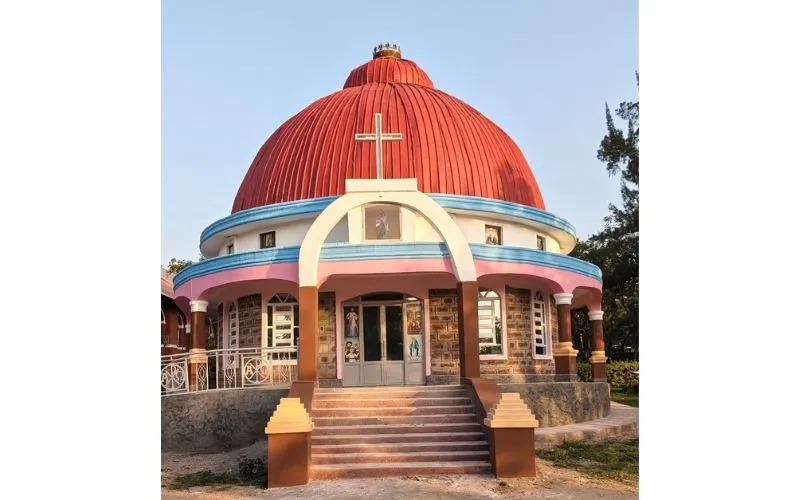
As the Catholic population expanded over the years, Nangina gave rise to many new parishes, including Busia, Amukura, Kocholia, Butula, Port Victoria, Sirimba, Mundika, Chakol, Magombe, Bulanda, Sio Port, Ganjala, Ganga, Bumala, Lwanya, and several others. Beyond evangelization, the parish also played a key role in education and healthcare through institutions such as Holy Family Nangina Mission Hospital and St. Catherine Nangina Girls Primary School.
As preparations for the centenary begin, Fr. Masiga has invited former parishioners, families, well-wishers, and Catholics from across Kenya and beyond to take part in the celebrations. He encouraged everyone whose lives have been touched by Nangina Parish to come together in thanksgiving and unity.
For longtime parishioners, the centenary is more than a celebration of history. It is a tribute to the missionaries whose sacrifice brought the Catholic faith to western Kenya and a moment to renew the parish’s commitment to serving God and the community for generations to come.