By Kennedy Oyule
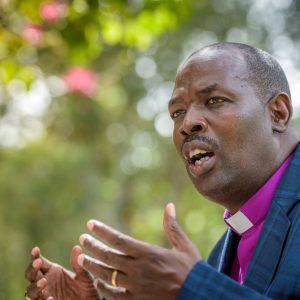
The Bishop of Nigeria’s Catholic Diocese of Oyo, Bishop Emmanuel Adetoyese Badejo, has urged Church leaders across Africa to embrace Pope Leo XIV’s first Encyclical Letter, Magnifica Humanitas, as a call to action rather than a cautionary message. He said the document challenges Africa to play an active role in shaping the future of Artificial Intelligence (AI) and to ensure the continent has a meaningful voice in global discussions on its governance.
Speaking during a virtual formation webinar organized by the Association of Member Episcopal Conferences in Eastern Africa (AMECEA) on June 23, Bishop Badejo encouraged Bishops, Religious Superiors, and other Church leaders to see the Pope’s message as an opportunity to engage with emerging technologies through the principles of Catholic Social Teaching. The webinar was held under the theme, Leading the Church in the Age of Artificial Intelligence.
“Let us receive Magnifica Humanitas not as a warning issued to Africa from elsewhere, but as a mandate entrusted to Africa,” the Bishop said. He stressed that the continent must insist on being included in decisions about how AI is designed, governed, and used.
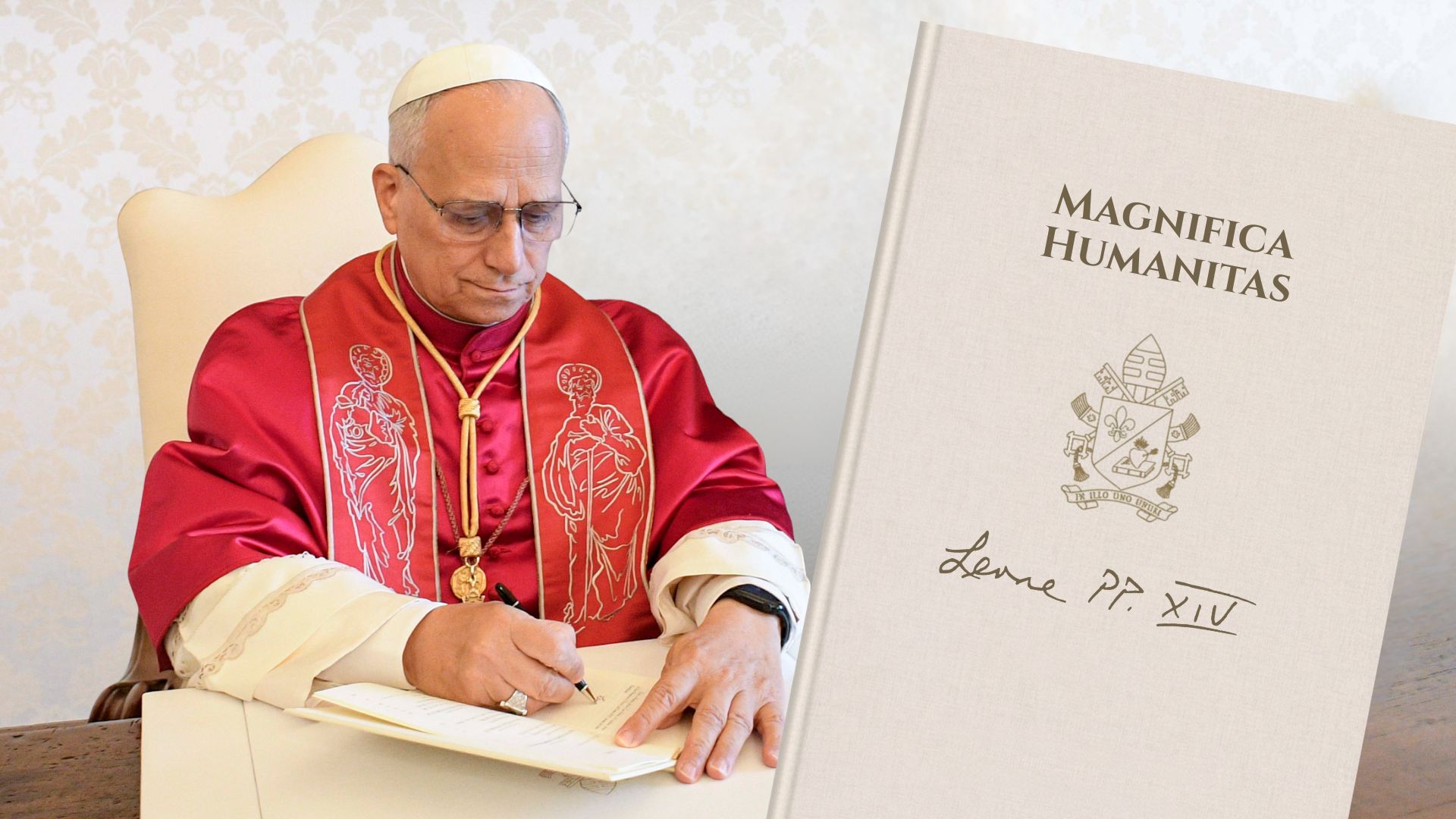
According to Bishop Badejo, Pope Leo XIV raises important concerns about AI systems that influence access to healthcare, employment, financial services, and security through algorithms that often lack transparency and may reflect hidden biases. Although these challenges affect the whole world, he noted that they are particularly significant in Africa, where many digital systems are developed using standards and data that do not reflect local realities.
The Nigerian Bishop also referred to remarks made by Christopher Olah, co-founder of Anthropic, during the launch of the Encyclical, highlighting the responsibility to prioritize the needs of the world’s poorest communities. He explained that Catholic Social Teaching, with its emphasis on human dignity, the common good, subsidiarity, and the universal destination of goods, provides the moral foundation for Africa’s engagement with AI.
Furthermore, Bishop Badejo reflected on three themes proposed by Michael Cardinal Czerny during the unveiling of the Encyclical: ingenuity, conscience, and care. He said Africa’s growing community of scientists, innovators, and Catholic universities should contribute to developing AI rather than simply adopting technologies created elsewhere.
He also emphasized that conscience must remain at the heart of technological progress, ensuring that every human person is respected and protected. Meanwhile, care should guide the use of AI, especially because digital technologies consume large amounts of energy and water, making environmental sustainability an essential concern for Africa.
Concluding his address, Bishop Badejo called on the Church across the continent to work together in shaping AI responsibly. He urged leaders to protect vulnerable communities from technologies developed without their participation while offering the world an approach rooted in faith, solidarity, and what Pope Leo XIV describes as the “civilization of love.” He reminded participants that the Church’s greatest concern is not technology itself, but the human values and vision that guide its development and use.