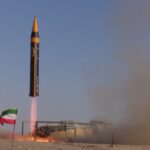
The tension that had been building for months alongside the collapse of diplomatic talks between the United States and Iran earlier this year, erupted into open conflict on February 28, 2026. On that day, the United States and Israel launched coordinated strikes across Iran, hitting strategic sites, killing the Supreme Leader Ayatollah Ali Khamenei and causing significant casualties. Iran swiftly retaliated with missile and drone attacks, marking a dangerous escalation in a long-simmering crisis with devastating human consequences.
In the wake of the violence, Catholic clergies are calling for prayer and peace. Msgr. Peter Vaccari, president of the Catholic Near East Welfare Association and the Pontifical Mission for Palestine, said in a statement to OSV News that he is praying for a return to dialogue, diplomacy, justice and peace. Behind the headlines, he said, are real people families, church workers, and communities living in uncertainty. Msgr. Vaccari spoke personally with the organization’s regional directors in Jerusalem, Beirut and Amman, assuring them and their families of his prayers during what he described as a very difficult time. The immediate priority, he said, is the safety of staff and their loved ones. He described the regional teams as courageous witnesses to the Church’s mission. Working long hours, often in fragile conditions, they serve churches and communities entrusted to their care. In their daily sacrifices, he said, they answer the Gospel question, “Who is my neighbor?” by choosing to help everyone, regardless of background or belief.
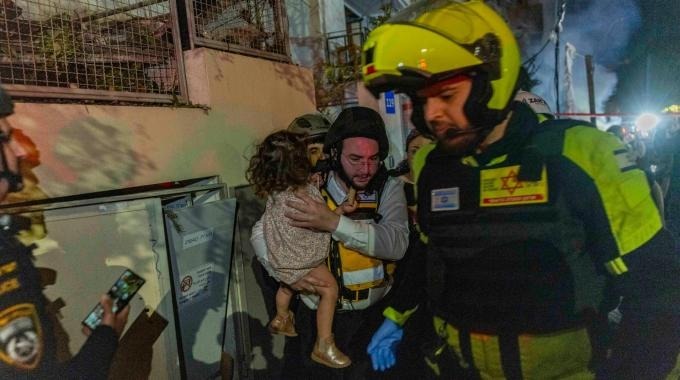
In the United States, Samuel Aquila of Denver also expressed deep sadness and serious concern over the growing violence. While acknowledging the Church’s teaching that nations have the right to defend themselves under strict moral conditions outlined in the just war tradition, he emphasized that the use of force must always be a last resort. It must be exercised with restraint and proportionality, and with every effort made to protect innocent lives, as taught in the Catechism of the Catholic Church. Any action that puts civilians at risk or deepens instability, he said, should weigh heavily on the consciences of leaders. The dignity of every human life must come first.
He called on the faithful to pray for an immediate easing of violence, for greater love of neighbor, and for the protection of innocent civilians. He also urged prayers that leaders across the region and around the world will act with wisdom and respect for human dignity as they seek a path toward peace. Revenge, he warned, only fuels hatred and prolongs suffering. The path of peace, though difficult, remains the only way to secure a future for the next generation.
On the same note, from Irbil, Iraq, Bashar Warda, the Chaldean Catholic archbishop, spoke from lived experience. In a message to OSV News, he recalled the years of violence, displacement and bombings that followed the 2003 war in Iraq. For many in the region, he said, the sounds of sirens at night and children falling asleep in fear are not distant memories. Each new escalation reopens wounds that have not fully healed. Families are still rebuilding their lives emotionally, economically and spiritually. “The Middle East does not need another war,” he said. Children need stability. Families need peace. True strength, he added, is shown not in destruction but in protecting life. For these Church leaders, peace is not a slogan. It is a moral duty and a basic human need.