By Lornah Chenang’at
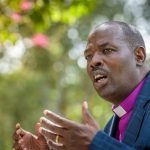
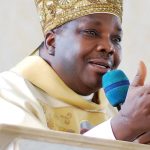
Kenya is facing a deep moral and social crisis that requires urgent reflection and collective action, Archbishop Anthony Muheria has said in an interview on Citizen TV’s The Explainer.
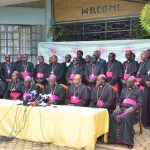
Speaking in the wake of the Kenya Conference of Catholic Bishops’ Easter message, the Archbishop painted a picture of a country grappling with eroding values, rising impunity, and growing political intolerance, while urging citizens especially young people to take up their civic responsibilities.
Call for voter registration and civic duty
Archbishop Muheria emphasized the importance of voter registration, describing it not merely as a political exercise but a duty of citizenship.
He noted that while public discourse in Kenya is often vibrant, it is rarely followed by meaningful action.
“We encourage all citizens to register and confirm their registration, this is the one way we are certain we will influence where we want this country to be in five, ten, or fifteen years,” he said, adding that more young people should take advantage of the ongoing registration window.
“Moral compass has been disoriented”
Central to the bishops’ message, he explained, is concern over what he termed a loss of moral direction in the country.
“The moral compass of our country has been disoriented, what made us know what is right seems to have lost its power,” he said.
He pointed to a growing desensitization to human suffering and death, warning that society has become alarmingly quick to move on from tragedies without demanding accountability or justice.
According to the Archbishop, this erosion begins with a diminished respect for human life and extends to how Kenyans treat one another, including the rise of dehumanizing language in public discourse.
Rising impunity and normalization of violence
Archbishop Muheria also warned against what he described as a dangerous shift towards a “might is right” culture, where power and influence override accountability.
He cited the emergence of organized groups of goons, often allegedly backed by powerful individuals, as a sign of deepening impunity.
“We cannot normalize violence to prove points or gain popularity, that is a return to primitive ways,” he said.
He cautioned that such trends leave the most vulnerable exposed, especially when institutions meant to protect them fail to act decisively.
Criticism of political leadership
The Archbishop expressed disappointment with the tone of recent political exchanges in the country, describing them as “appalling” and lacking in basic decorum.
He stressed that leadership demands restraint, wisdom, and the ability to elevate public discourse.
“Not everything you think must be said, leaders are supposed to bring sanity, not venom,” he said.
While affirming that the office of the President must be respected, he insisted that such respect must be mutual and reflected in how leaders conduct themselves publicly.
He further argued that politics, at its core, should serve the common good and be grounded in truth not insults or misinformation.
“When politics becomes an exchange of lies, it ceases to serve the people,” he added.
Citizens must take responsibility
Beyond leadership, Muheria challenged ordinary Kenyans to examine their own role in the country’s challenges.
He pointed to everyday actions such as; giving bribes, tolerating reckless driving, or participating in mob justice as areas where citizens can effect change.
“If all Kenyans refused to bribe even for two days, things would change,” he said.
He urged citizens to use their social spaces families, communities, and workplaces to promote accountability and respect for life.
Youth frustrations and need for inclusion
Addressing the role of young people, the Archbishop acknowledged their frustrations, particularly around unemployment, cost of living, and limited opportunities.
He warned that unmet expectations risk pushing many into despair, with growing concerns over mental health and cases of suicide.
“Young people have valid dreams, but when they are not realised, they become discouraged,” he said.
He called on leaders to listen more closely to youth concerns and create platforms for engagement, noting that the Church has been organising forums to interact with thousands of young people across the country.
Church’s role and criticism
Responding to criticism that the Church is becoming too political, Muheria maintained that offering moral guidance on social issues is part of its mission.
He clarified that the Church does not target individuals but speaks to actions and values affecting the common good.
“We call out what is wrong… and those responsible should examine their conscience,” he said.
He acknowledged that some may perceive bias but urged the public to consider the Church’s consistent record over the years in advocating for justice, equity, and protection of the vulnerable.
A message of hope
Despite the concerns raised, the Archbishop expressed optimism about Kenya’s future, pointing to the resilience and solidarity demonstrated by citizens during difficult times, such as the COVID-19 pandemic.
“There is a lot of hope for Kenya, we have the capacity to come together and rebuild,” he said.
He concluded by urging both leaders and citizens to reflect deeply on their roles and recommit to values that uphold dignity, truth, and the sanctity of life.