By, Lornah Chenang’at
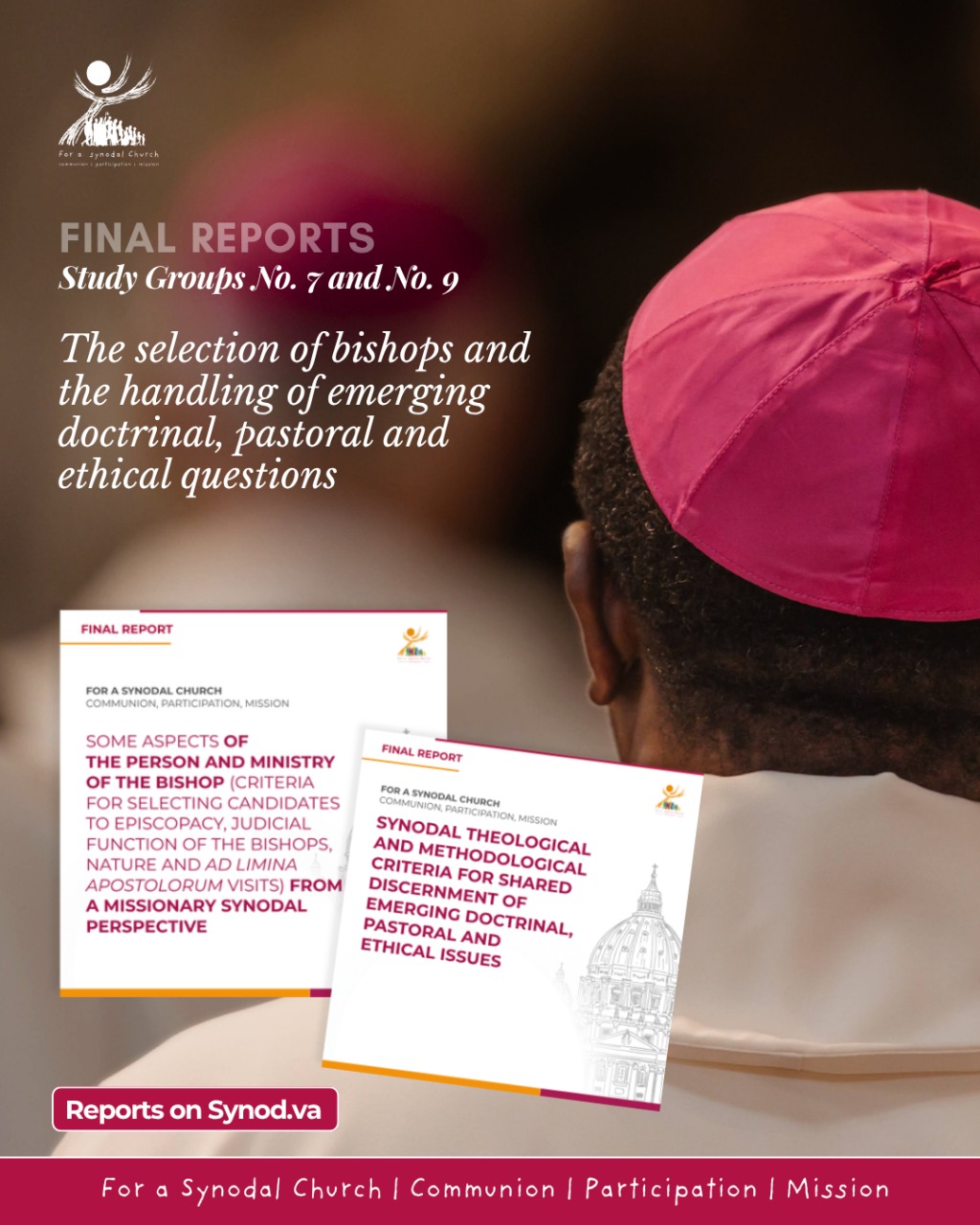
A recent report from Study Group 9 within the Synodal process outlines a significant methodological development in how the Catholic Church may engage complex pastoral and ethical questions, including homosexuality. Rather than presenting doctrinal revisions, the document proposes a shift in approach; moving from abstract, issue-based debate toward a pastoral model grounded in lived experience, discernment, and synodal dialogue.
The report frames this development as a broader “paradigm shift” in the Church’s mission. At its core is the conviction that contemporary challenges should no longer be addressed primarily as “controversial issues” requiring resolution through doctrinal argumentation alone. Instead, they are described as “emerging issues,” inviting ongoing discernment within the life of the Church.
From Abstract Debate to Pastoral Encounter
Central to the report is a reorientation of ecclesial attention from theoretical categorization to concrete human experience. In the case of homosexuality, the document highlights the importance of listening to the lived experiences of LGBTQ Catholics as part of the Church’s discernment process.
For the first time in such a synodal context, personal testimonies from gay Catholics were included in a Vatican-level report. These narratives describe experiences of isolation, spiritual struggle, and the effects of exclusionary attitudes within Church communities, while also recounting moments of faith, healing, and belonging in welcoming environments.
The inclusion of such testimonies is presented not as anecdotal illustration, but as a constitutive element of discernment. The report suggests that the life experiences of the faithful are not external to theological reflection, but part of how the Church comes to understand the action of the Holy Spirit in history.
The Principle of Pastorality
At the center of the document is what it terms the “principle of pastorality.” This principle proposes that the proclamation of the Gospel cannot be separated from responsibility toward the person receiving it. As such, doctrine is not presented as a rigid system applied externally to individual cases, but as a guide for pastoral engagement rooted in accompaniment.
The report emphasizes that this approach seeks to overcome what it describes as a long-standing tension between doctrinal clarity and pastoral care. Rather than positioning these as opposing priorities, it calls for their integration through a more relational and experiential understanding of Church teaching.
In this framework, theology is not diminished, but re-situated. It is described as something that should emerge from a dialogue between doctrinal tradition and the “experiences of good” found in the lived faith of the People of God.
Synodality and the Practice of Discernment
The methodological foundation of the report is synodality, expressed through a process known as “Conversation in the Spirit.” This approach emphasizes communal listening, prayerful reflection, and openness to multiple sources of understanding, including theology, psychology, and the social sciences.
Rather than seeking immediate resolution to complex questions, this process is designed to facilitate shared discernment. Participants are encouraged to attend to three dimensions: internal attitudes and biases, the realities of lived experience, and insights from broader fields of knowledge.
In the context of homosexuality, this means that pastoral responses are not predetermined by abstract frameworks alone but are discerned within local Churches according to their specific contexts and challenges.
Addressing Pastoral Realities and Tensions
The report acknowledges the presence of deep tensions within the Church regarding questions of sexuality, particularly between calls for doctrinal fidelity and demands for pastoral inclusion. It notes that such tensions can lead to polarization and, in some cases, to experiences of suffering and exclusion.
Without proposing a doctrinal resolution, the document calls for a shift in tone and method. It encourages local Churches to examine how their pastoral practices may contribute to experiences of rejection or fear, and to consider how communities might more effectively accompany individuals in their life journeys.
It also raises questions regarding the need for greater attentiveness to discrimination and harmful practices, and encourages reflection on how Church language and pastoral approaches can better reflect a culture of dignity and care.
A Transdisciplinary and Contextual Approach
Another notable aspect of the report is its openness to interdisciplinary engagement. It recommends that theological reflection be enriched by insights from psychology, sociology, and other human sciences in order to better understand the complexity of human experience.
This transdisciplinary approach is presented as necessary for addressing contemporary realities that cannot be fully understood through theological categories alone. It is intended to support more informed and humane pastoral discernment at the local level.
No Doctrinal Change, but a Changed Method
While the report engages directly with sensitive pastoral questions, including homosexuality, it does not propose changes to formal Church doctrine. Instead, its emphasis lies in transforming the method by which the Church listens, discerns, and accompanies.
The focus is on process rather than prescription: on how the Church engages with reality rather than on issuing definitive conclusions in advance of discernment.
Toward a “Return to the Gospel”
Underlying the entire framework is what the report describes as a “return to the Gospel.” This return is not understood as a retreat into the past, but as a renewed encounter with the person of Christ in the concrete realities of human life.
In this perspective, the Gospel is not reduced to abstract propositions but is encountered as a living reality that calls the Church to accompaniment, listening, and discernment. The report draws on the early Church’s experience in the Acts of the Apostles as a model for navigating new and complex situations through prayerful discernment and openness to the Holy Spirit.
Conclusion
Study Group 9’s report reflects a significant methodological development within the ongoing Synodal process. While leaving doctrinal positions unchanged, it proposes a reconfiguration of how the Church engages with complex pastoral questions such as homosexuality.At its core, the document advances a vision of the Church as a listening community, where discernment arises from dialogue between tradition, lived experience, and the guidance of the Holy Spirit. It signals an approach in which accompaniment, rather than abstraction, becomes central to the Church’s engagement with contemporary human realities.