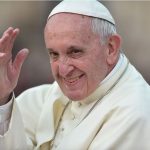
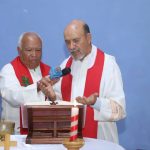
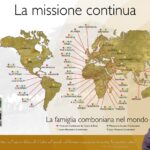
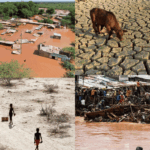
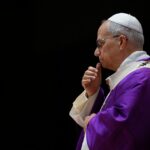
As the Church marked the Feast of the Presentation of the Lord and the World Day of Consecrated Life on 2 February, Pope Leo XIV placed strong emphasis on consecrated men and women communities as “outposts of the Gospel” living signs of God’s presence in a world often marked by conflict, poverty, and indifference.
In his message, the Holy Father reflected on the Gospel account of Simeon and Anna’s encounter with the Christ Child in the Temple (cf. Luke 2:22–40), describing the Presentation as a meeting of “two movements of love”: God, who comes humbly to save His people, and humanity, which waits for Him with vigilant faith. He noted that Jesus is presented not with power or splendor, but as the child of a poor family, revealing what he called “the disarming strength of his unarmed generosity.”
Pope Leo XIV said this quiet and humble offering of Christ sheds light on the mission of consecrated life in the Church today. Like Simeon and Anna, consecrated men and women are called to recognize the Lord’s presence and make Him known, often in places where His light appears dim. Their communities, he explained, become “outposts of the Gospel” not centres of privilege or security, but humble presences that remain among the people, even in the most fragile and difficult circumstances.
Linking the Gospel to the World Day of Consecrated Life, the Pope reiterated the call addressed to religious men and women to “wake up the world,” stressing that “the distinctive sign of consecrated life is prophecy.” This prophetic witness, he said, is lived through lives wholly offered to God and placed at the service of others, especially those on the margins.
Drawing on the prophet Malachi, Pope Leo XIV described consecrated life as a generous self-emptying that allows God to act. He said consecrated persons are called to become “braziers for the Refiner’s fire and vessels for the Fuller’s soap”(cf. Mal 3:1–3), allowing Christ to purify hearts and renew society through love, mercy, and grace. This mission, he emphasized, is sustained by prayer and expressed through daily charity.
The Holy Father pointed to the founders and foundresses of religious institutes as enduring examples of this Gospel presence. Guided by the Holy Spirit, they moved from the Eucharistic table to cloisters, classrooms, mission lands, and the streets of the poor. In doing so, he said, they often became, in Christ, a “sign of contradiction” (cf. Luke 2:34), willing to go against prevailing currents and, at times, to bear the cost of martyrdom.
Pope Leo XIV underlined that this witness continues today in religious communities serving in areas affected by violence, insecurity, and social breakdown. Even where weapons speak louder than words and self-interest seem to prevail, he said, these communities remain “often stripped of all security” as living reminders of the inviolable sacredness of life, especially in its most vulnerable forms. Their presence, he added, proclaims the Gospel more powerfully than any speech.Reflecting on Simeon’s prayer“My own eyes have seen your salvation” (Luke 2:30) the Pope said consecrated life reveals a freedom rooted in hope: detached from what is passing, yet deeply engaged with the present world. Like Simeon and Anna, consecrated men and women are called to keep their gaze fixed on God’s promise, standing firm between earth and