Catholic communities living along the Kenya-Uganda border have been urged to reject hatred and revenge and instead strengthen friendship, solidarity and cooperation as a path towards lasting peace.
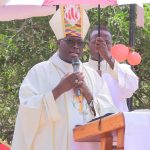
The call was made by Bishop John Mbinda, C.S.Sp., during a Cross-border Peace Mass held on Friday, 11 September 2026, at Nasal Centre in Yoto Kalya, Amakuriat Catholic Parish, in the Catholic Diocese of Kitale.
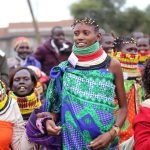
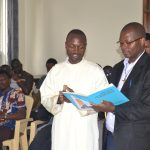
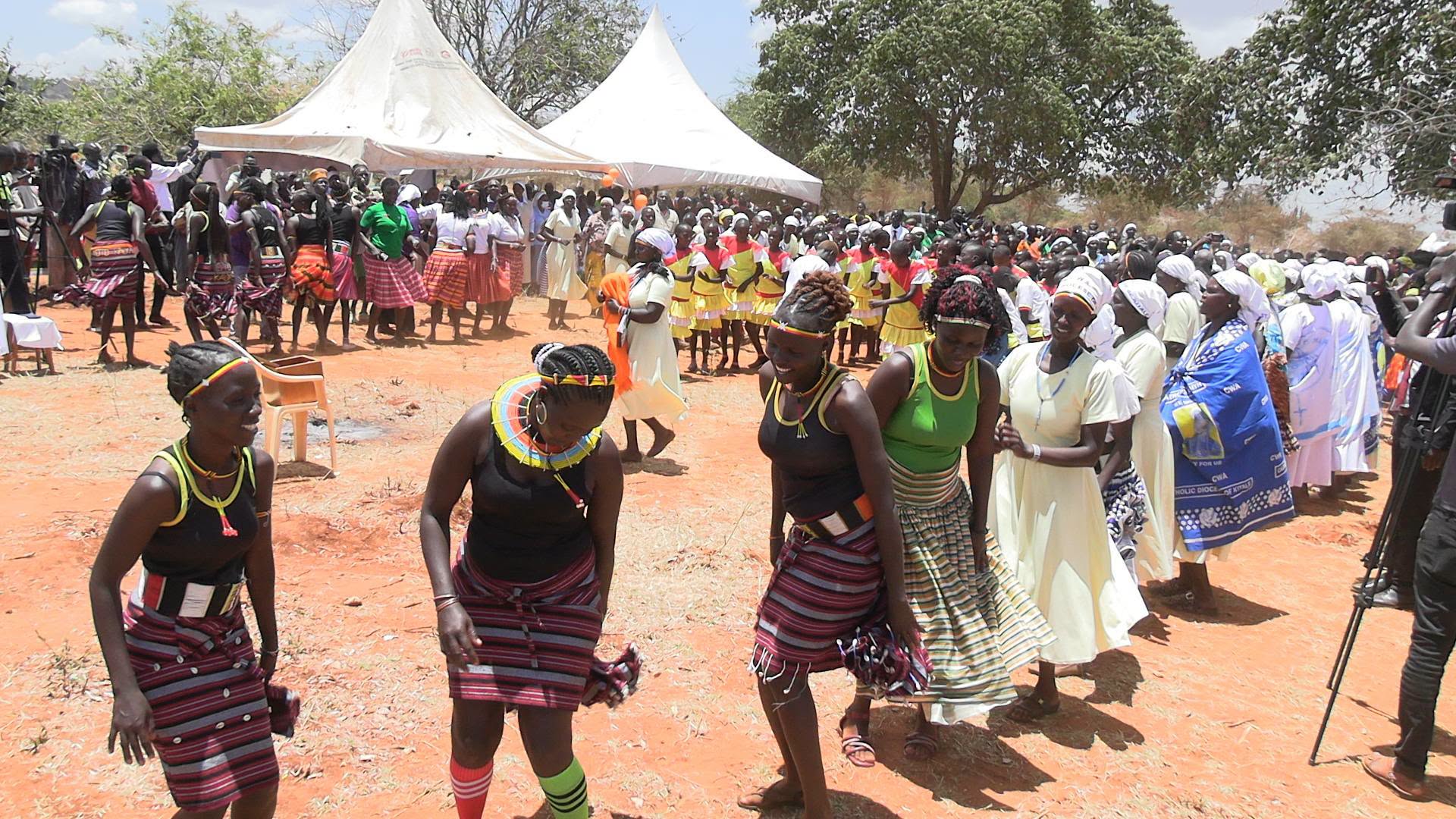
The Mass brought together faithful and community representatives from areas inhabited by the Pokot, Turkana and Karamojong communities. The Cross-border Peace Mass is a peace initiative organized by the Catholic Justice and Peace Department (CJPD) as part of the Kenya Conference of Catholic Bishops’ (KCCB) North Rift Peace Initiative, launched in 2023.
“A powerful testimony that peace is not merely the absence of conflict, but the presence of justice, solidarity, reconciliation, and mutual respect.”
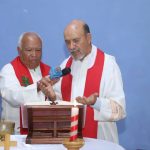
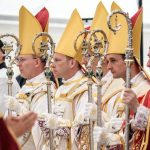
The main celebrant was Bishop Henry Odonya of the Catholic Diocese of Kitale, who concelebrated the Mass with Bishop Mbinda of the Catholic Diocese of Lodwar.
The participation of Moroto Diocese reflected the cross-border character of the gathering, with the diocese sharing a border with Kitale Diocese and communities, particularly the Karamojong and Pokot, maintaining close ties across the Kenya-Uganda border.
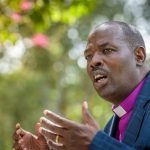
In his homily, Bishop Mbinda centered his message on peace, love and collaboration, thanking God for the peace already experienced in parts of the region while recognizing the continued efforts of community members working to prevent conflict and build peaceful relationships.
Reflecting on the Gospel, which asks, “Can a blind person guide a blind person?”, the Bishop reminded the faithful that no community is perfect and that communities must be willing to learn from and support one another.
He particularly challenged the faithful to change how they approach conflict, that is, moving away from identifying who started a conflict and towards finding who will take the first step to stop it.
“Amani inaanza pale tunapoacha kuuliza, ‘nani alianza?’ na kuanza kuuliza, ‘nani atakuwa wa kwanza kusimamisha?’”
“Peace begins when we stop asking, ‘Who started it?’ and begin asking, ‘Who will be the first to stop it?’”
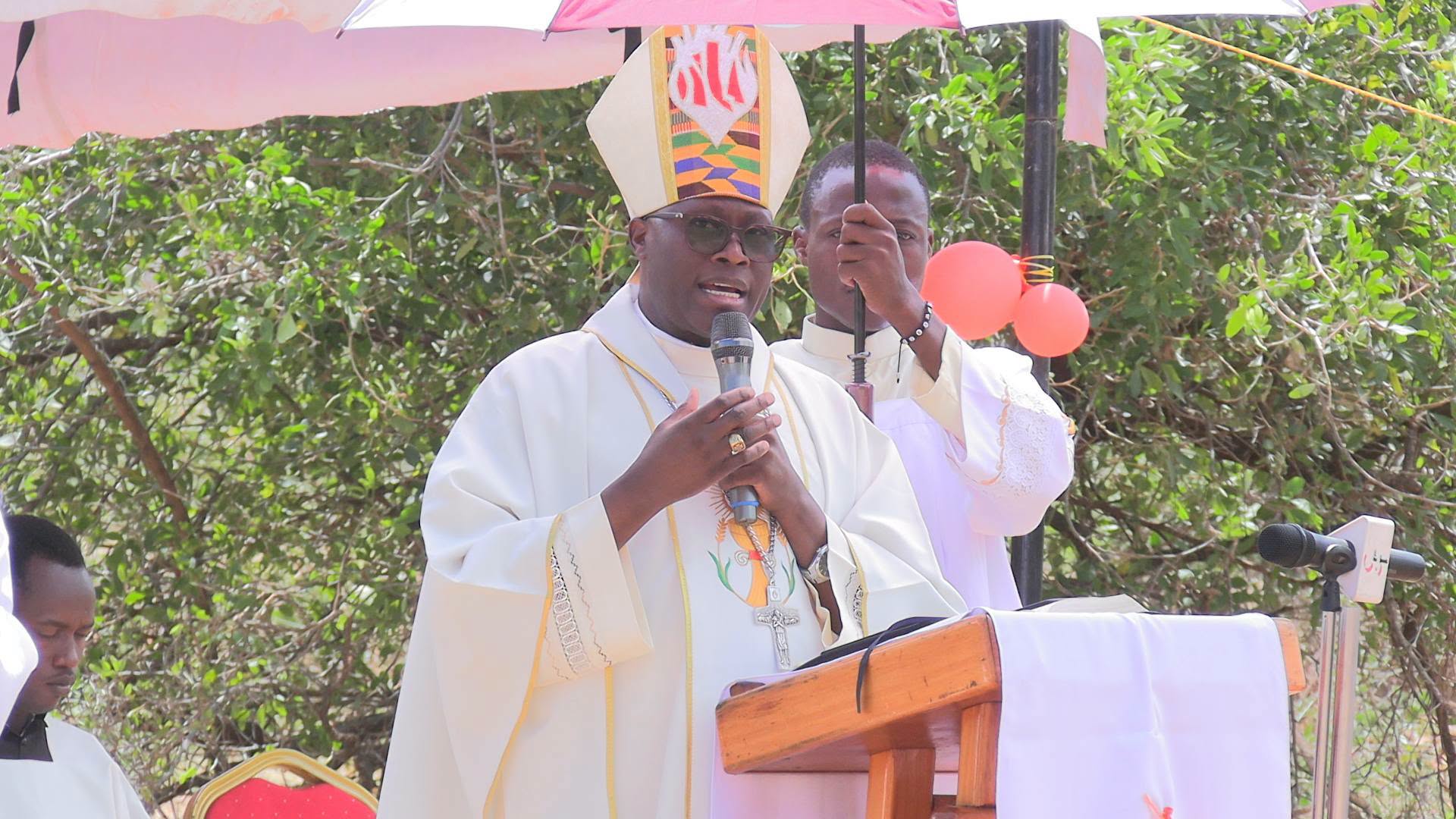
Bishop Mbinda said the pursuit of peace requires communities to look beyond ethnic boundaries and develop a spirit of mutual responsibility.
Drawing from St Paul’s words, “I have become all things to all people, so that by all possible means I might save some,”he encouraged the faithful to cultivate a similar spirit of solidarity where a Pokot is concerned when a Turkana suffers, a Turkana cares when a Pokot suffers, and the Karamojong likewise stand with their neighbours.
He also used St Paul’s image of an athlete striving for a crown to emphasize the discipline required to build peace.
While retaliation may appear to be the easier response to conflict, he said, choosing dialogue, restraint and reconciliation requires greater discipline.
Bishop Mbinda challenged the communities to reconsider what it means to be a hero.
“Mpiganaji wa kweli sio yule anayejua kutumia silaha, shujaa wa kweli ni yule anayeweza kuzuia vita.”
“A true warrior is not the one who knows how to use weapons; a true hero is the one who can prevent war.”
He identified elders who stop young people from joining raids, mothers who teach their children not to hate their neighbours, young people who reject banditry, and leaders who refuse to exploit tribalism and hatred for political popularity as genuine heroes of peace.
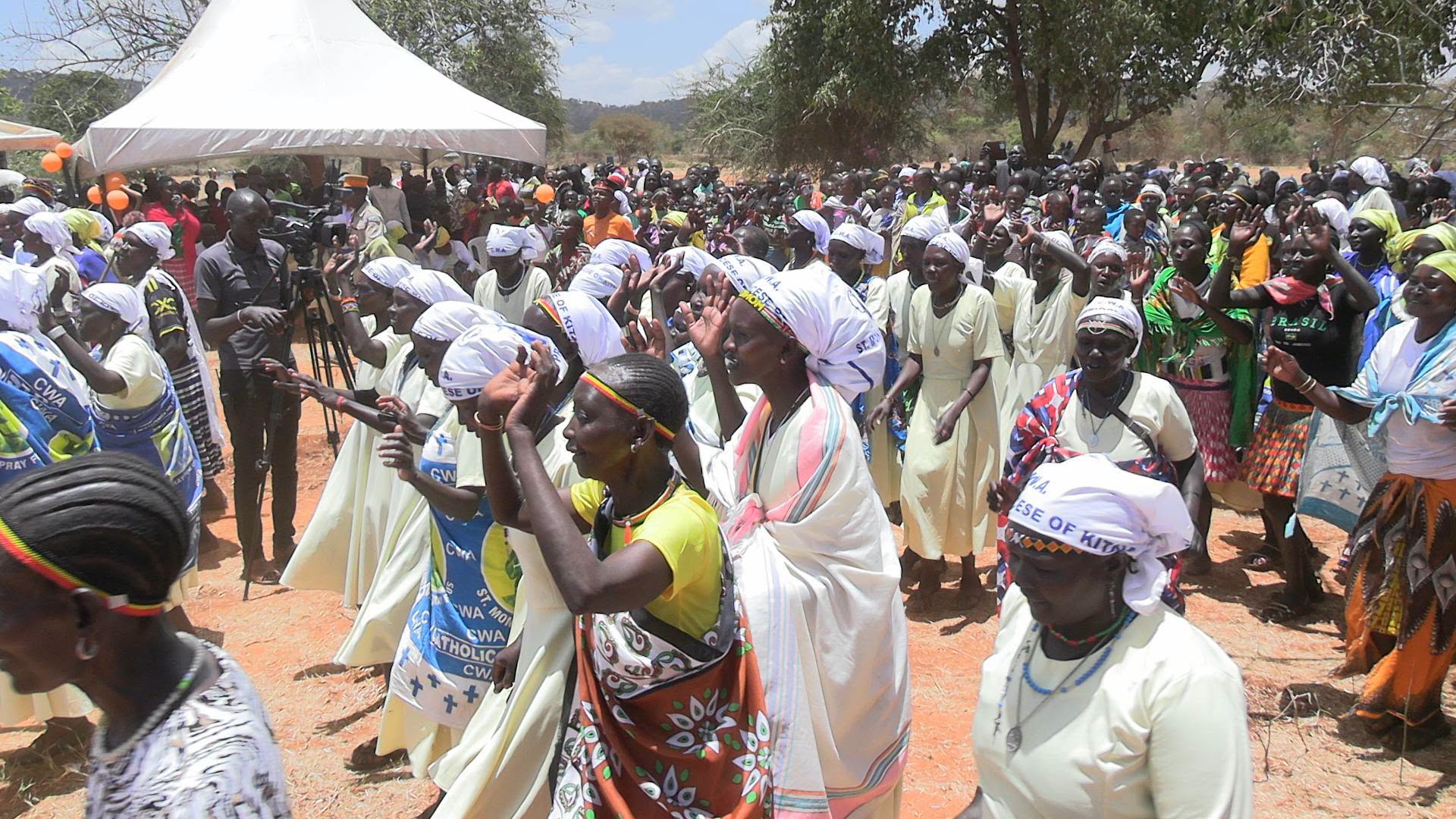
The Bishop also pointed to the Blessed Virgin Mary as an example for Christian families, noting that she did not respond to the death of her Son with revenge but remained at the foot of the Cross.
He urged parents to raise children in a culture of love rather than hatred.
“Wafundisheni watoto wenu kupenda kabla hawajajifunza kuchukia.”
“Teach your children to love before they learn to hate.”
Addressing young people, Bishop Mbinda encouraged them to use their hands and abilities to build their communities, pursue education and engage in activities that contribute positively to humanity.
He also called on elders to speak words of hope and love to younger generations rather than passing on narratives of hatred and revenge.
The Bishop recalled previous incidents of banditry and their impact on essential services in communities, citing the closure of the dispensary at Lorengipi in Turkana County as one example of how insecurity can affect ordinary people’s access to basic services.
He reminded the faithful that no one chooses who their neighbour will be and urged the communities to ensure that their shared borders become sources of blessing rather than conflict.
“Ujirani wetu usiwe laana bali uwe wa baraka kwa kila mmoja wetu.”
“May our neighbourliness not be a curse, but a blessing for each one of us.”
He concluded his message with three calls to the communities: not to fuel hatred, not to seek revenge, and to build friendship and cooperation.
At the conclusion of the celebration, Bishop Henry Juma Odonya of the Catholic Diocese of Kitale led the faithful in a call to love their neighbours as they love their brothers and sisters.
He reinforced the message through the singing of the song “Tukipenda wenzetu, katu yetu Mungu yupo,” reminding the faithful that God remains present when communities choose love, unity and care for one another.
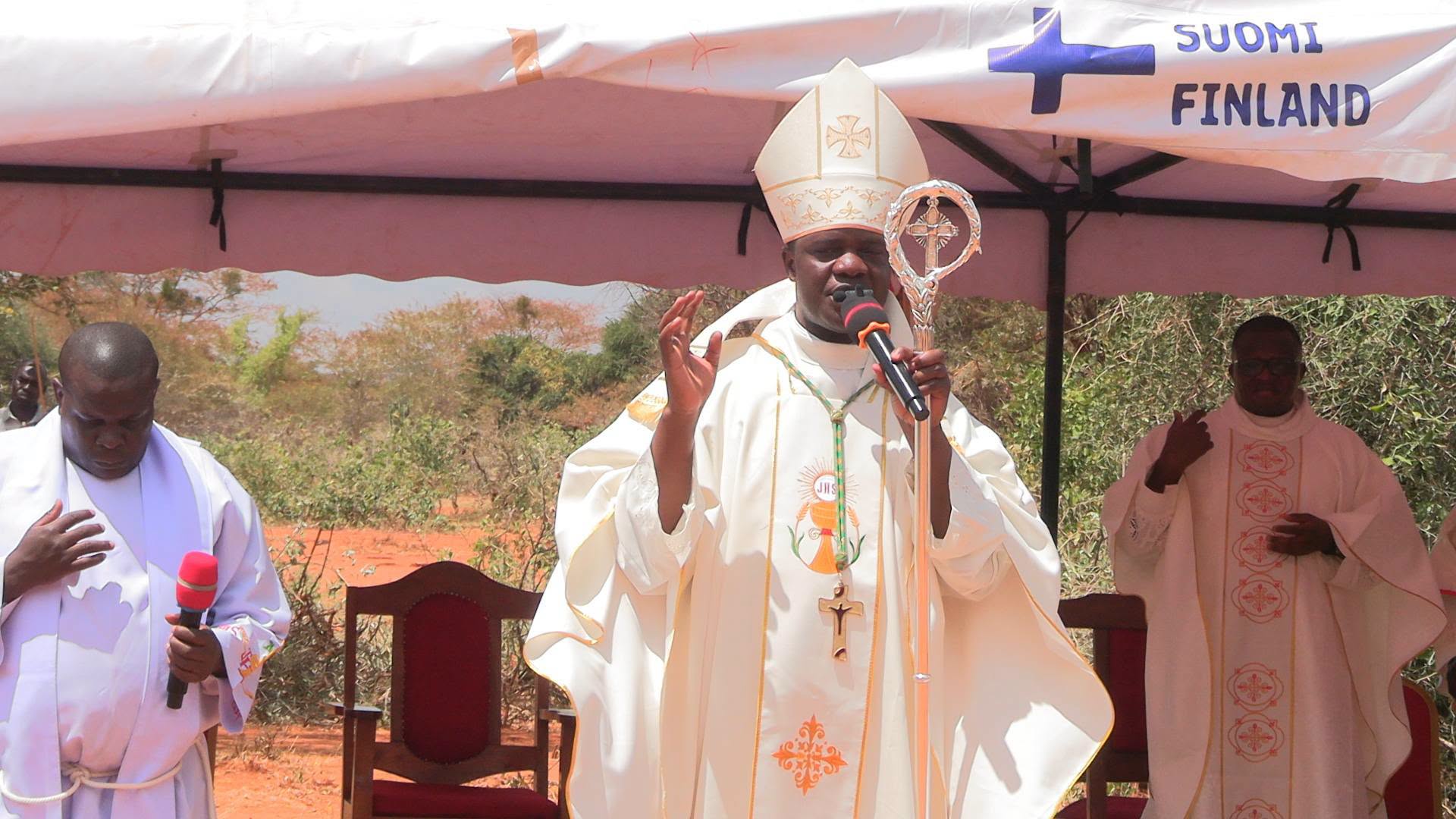
The closing message echoed the central theme of the Mass: that lasting peace begins with how communities treat their neighbours and with a willingness to see one another not as enemies, but as brothers and sisters.
The Cross-border Peace Mass forms part of the wider peacebuilding efforts of Catholic dioceses in the North Rift. The dioceses of Kitale, Lodwar, Nakuru, Kapsabet, Maralal and Nyahururu hold Peace Masses at different points across the region.
Through the North Rift Peace Initiative, the Catholic Church continues to bring communities together across areas affected by conflict, calling for reconciliation, peaceful coexistence and a shared commitment to protecting human life and dignity.