By Sr. Lillian Gathoni
The Quiet Crisis of Male Body Image
It started with a simple question:
Do men struggle with body image?
The answer came quickly: yes. Then, more quietly: “There’s pressure… to be tall, muscular, broad.”
That moment revealed something often overlooked. While body image conversations have long centered on women, men are quietly navigating their own insecurities, often in silence.
“What is presented as ‘normal’ is often unrealistic and quietly shaping how men see themselves.”
THE IDEAL MAN
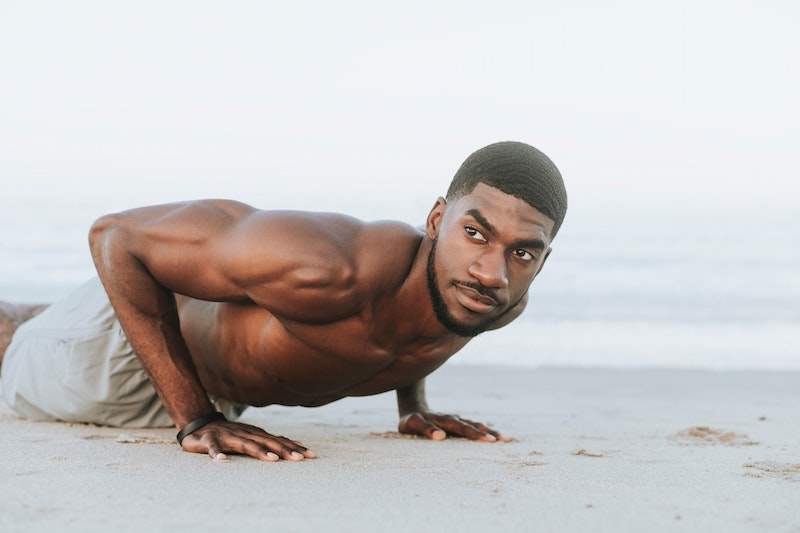
From superheroes to social media influencers, the “ideal man” has remained strikingly consistent; lean, muscular, confident. Broad shoulders and sculpted abs have become the visual language of strength and success. These images are meant to inspire. But they also create a standard few can realistically attain. Behind admiration, there is often comparison.
THE HIDDEN STRUGGLE
Body image is not just about appearance; it is about identity, self-worth, and belonging.
A growing number of men report dissatisfaction with their bodies. Some experience muscle dysmorphia, a condition where one feels perpetually “not muscular enough,” regardless of reality. This pressure can manifest in harmful ways:
- Overtraining despite injury or exhaustion
- Restrictive eating habits
- Use of performance-enhancing substances
For many, the struggle begins early and remains unspoken.
“Men are not immune to insecurity, they are simply less allowed to express it.”
THE DIGITAL COMPARISON TRAP
In today’s digital age, the pressure has intensified. Social media platforms are filled with curated, filtered, and often unattainable versions of the “perfect” body. What appears ordinary online is, in reality, highly selective. Yet repeated exposure creates a powerful illusion: this is what normal looks like.
For many men, this leads to a cycle of silent comparison, one that slowly erodes self-esteem.
SUFFERING IN SILENCE
Perhaps the most dangerous part of this crisis is not the pressure, but the silence.
Traditional masculinity discourages vulnerability. Men are expected to be strong, composed, and in control. Admitting insecurity can feel like breaking an unspoken rule. So it is often hidden:
- In humor about weight gain
- In dismissive remarks about appearance
- In quiet withdrawal from social spaces
But beneath the surface, there can be frustration, shame, and isolation.
SIGNS TO NOTICE
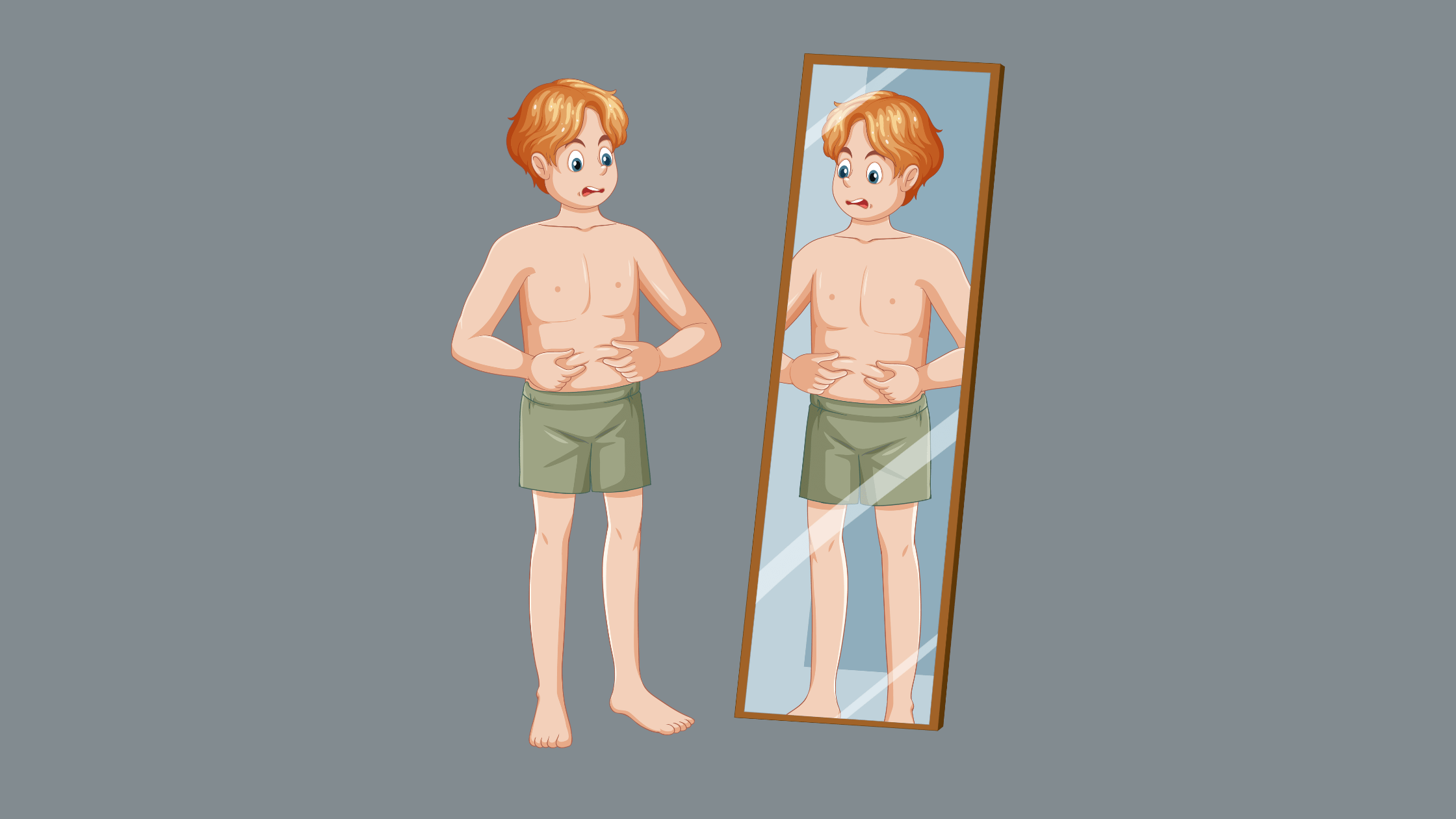
- Avoiding social situations due to appearance
- Obsessive exercise routines
- Constant comparison on social media
- Negative self-talk about body image
A NEW DEFINITION OF STRENGTH
Addressing this issue requires more than awareness, it requires a shift. Masculinity does not have to be defined by physical perfection. It can be rooted in:
- Emotional honesty
- Resilience
- Integrity
- Self-acceptance
Health professionals suggest small but powerful steps:
- Challenge negative inner dialogue
- Limit exposure to triggering content
- Move your body for well-being, not punishment
- Create space for honest conversations
“Acknowledging insecurity is not weakness, it is the beginning of freedom.”
BREAKING THE NARRATIVE
Men have long been taught to endure in silence. But silence does not resolve insecurity it deepens it. Creating space for open conversations is not about weakening masculinity it is about redefining it. Because body image struggles do not define a man. But the courage to face them just might.
The more we challenge unrealistic ideals, the more we make room for something better, confidence rooted not in appearance, but in authenticity.