A quiet crisis unfolding
Across continents from Phnom Penh to Jonquières a similar story is emerging within the Catholic Church: the gradual disappearance of contemplative religious communities due to a decline in vocations.
The recent closure of a Carmelite monastery in Cambodia after 21 years, alongside the impending shutdown of the historic Carmel of Compiègne in France after nearly four centuries, signals more than isolated events. It reflects a deeper, global challenge facing consecrated life today.
A life hidden from the world
Carmelite sisters, following the tradition of Teresa of Ávila, embrace a cloistered vocation marked by silence, prayer, penance, and manual work. Their lives are intentionally “hidden,” with minimal external engagement.
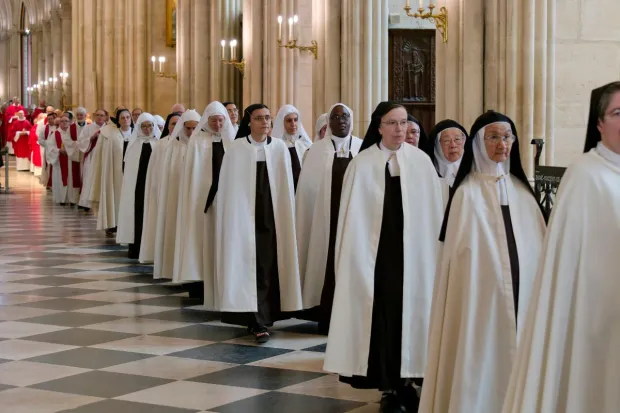
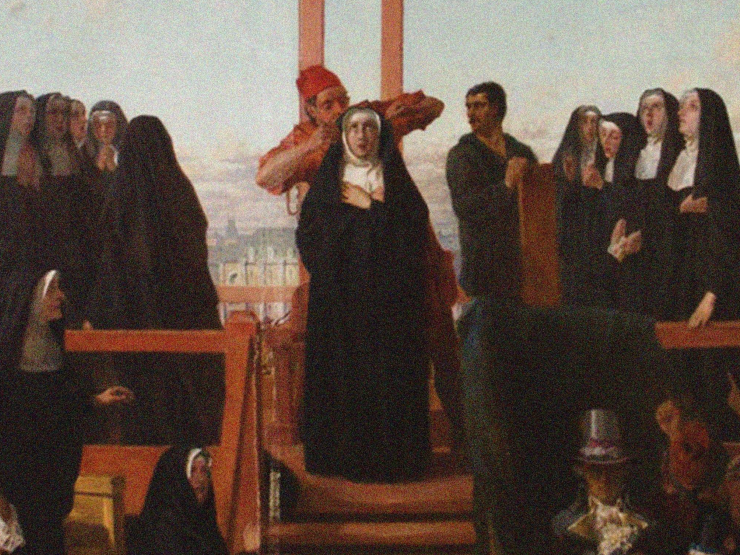
For decades, this “quiet witness” has been regarded as spiritually powerful. In Cambodia, the sisters created a sanctuary of peace amid rapid social change. In France, the Carmelites of Compiègne carried a legacy shaped by martyrdom during the French Revolution, a testimony that continues to inspire the universal Church.
Yet today, this very hiddenness raises a pressing question: can a vocation survive if it is barely seen?
When presence becomes absence
Church leaders increasingly acknowledge that the lack of visible engagement, especially with young people, has contributed to declining vocations. In Cambodia, no new entrants emerged over two decades. In France, aging communities now face closure with no successors.
The issue is not the value of contemplative life (it remains deeply respected) but its visibility in a fast-changing, highly connected world. Many young people are searching for meaning, yet few encounter religious life in a way that feels accessible or relatable.
A generational disconnect
Beyond visibility, broader factors are at play: secularization, weakening family faith structures, and limited catechesis. Without strong spiritual formation at home and in parishes, the idea of lifelong religious commitment can feel distant or even unfamiliar.
For some, religious life is no longer a lived experience within their communities but an abstract concept admired, perhaps, but not personally considered.
A legacy that still speaks
Despite these challenges, the witness of the Carmelites remains deeply moving. The 16 martyrs of Compiègne (recently canonized by Pope Francis) offered their lives in prayer for peace, leaving behind a message that resonates strongly in today’s fractured world.
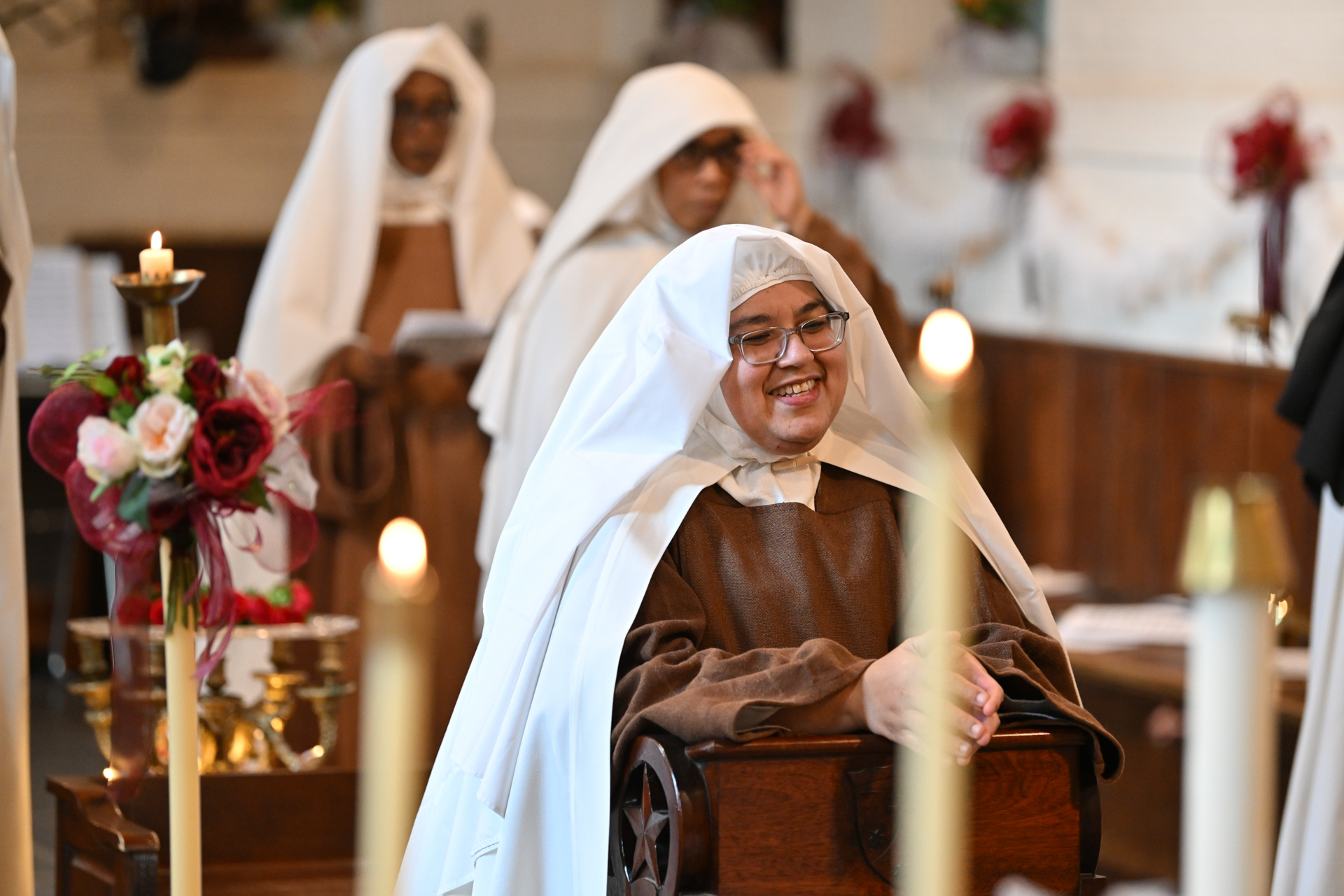
Similarly, the Korean Carmelite sisters in Cambodia demonstrated that even a hidden life can have a universal mission: praying for the Church, society, and humanity.
Towards a more visible witness
The current moment invites reflection rather than resignation. How can the Church preserve the depth of contemplative life while making it more visible and understood?
This does not mean abandoning silence or enclosure, but finding creative ways to bridge the gap through storytelling, digital presence, vocation outreach, and stronger parish engagement. Young people are more likely to respond to a vocation they can encounter, understand, and relate to.
Hope beyond closure
While monasteries may close, the spirit that sustained them does not disappear. Their legacy continues; in prayer, in memory, and in the lives they have touched.
The challenge now is to ensure that this legacy does not remain hidden, but becomes a living invitation to future generations.