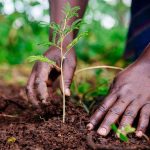
Recurring droughts and floods are not only destroying livelihoods across Kenya but also silently fuelling a growing mental health crisis among vulnerable communities.
From droughts that parch the earth to floods that wash away homes, Kenya’s climate story reads like a broken record, a cycle of suffering that repeats with every season. In counties such as Turkana, Marsabit, Garissa, and Kajiado, droughts arrive first. Pastoralists watch helplessly as livestock die. Crops wither in the fields. Water pans dry up, forcing families to walk long distances in search of a basic necessity. Children abandon classrooms. News images show empty grazing lands and mothers carrying jerry cans across barren landscapes. The silence of the land hides the noise of anxiety inside homes.
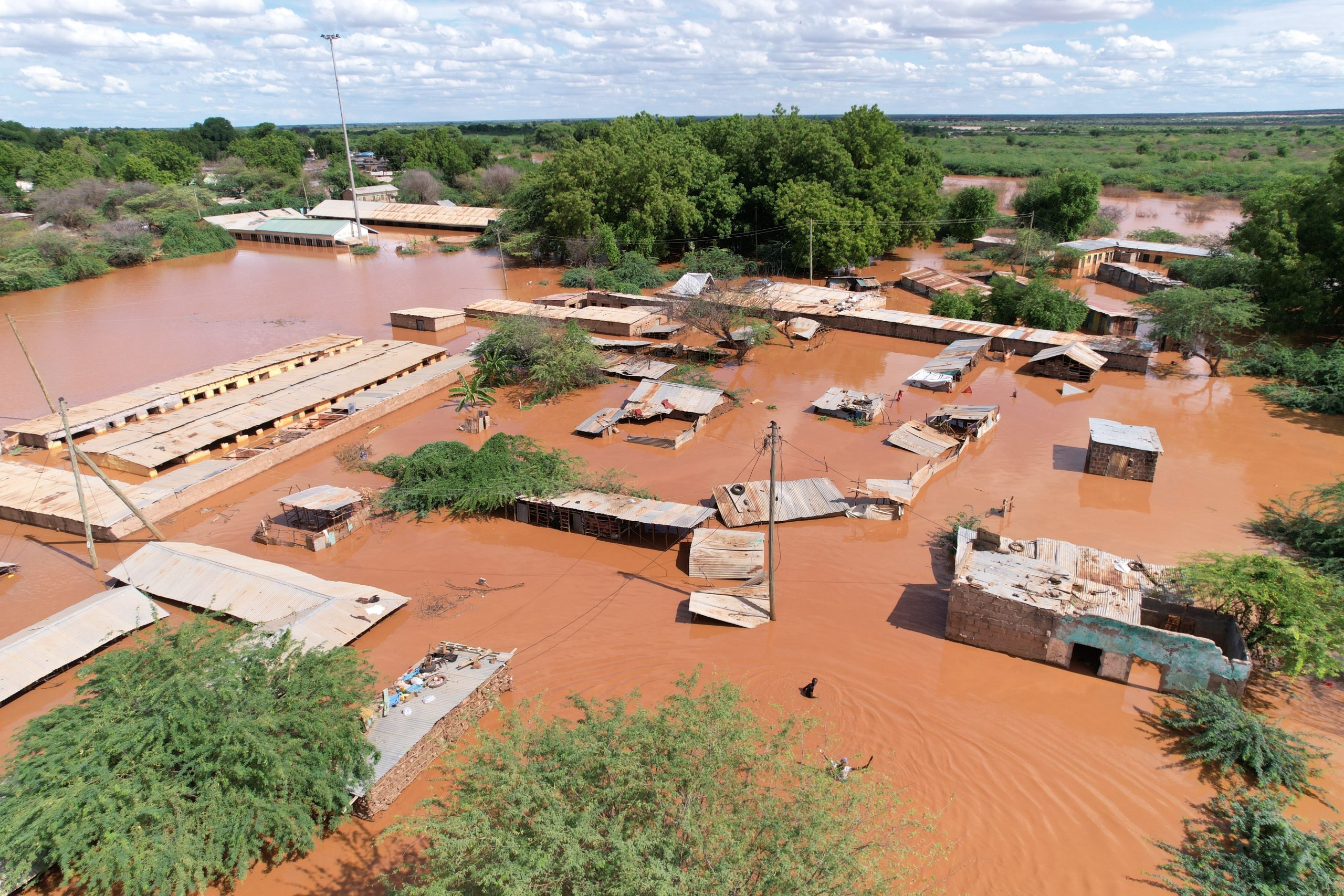
Then the rains return, but they are no longer gentle. In urban centres like Nairobi, Kisumu, and Mombasa, poor drainage systems transform streets into streams. Informal settlements such as Mathare and Mukuru flood easily. Homes collapse, belongings are swept away, and waterborne diseases rise. Families are displaced overnight. Some mourn loved ones. Others start again with nothing. Different seasons. Same human cost.
Climate change is often discussed in terms of science and policy, but its emotional impact is equally profound.Drought breeds hopelessness. A farmer who watches crops fail year after year may sink into depression. Parents who cannot put food on the table experience shame and chronic stress. Young people, seeing education interrupted and opportunities shrinking, lose motivation.
During floods, the trauma is immediate, families begin to fear every heavy downpour, children experience displacement, and communities grieve preventable losses. This is climate stress, and it is a mental health crisis.
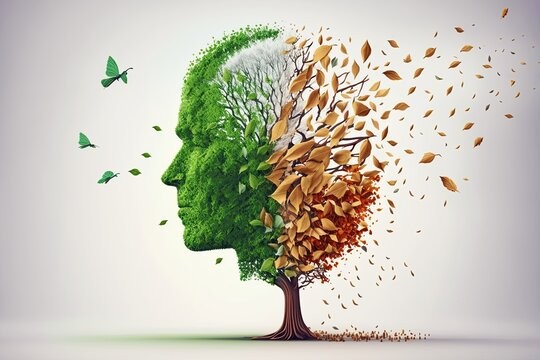
Psychologists note that constant uncertainty erodes emotional resilience. When livelihoods depend on rainfall, and it becomes unpredictable, anxiety becomes a normal response. Communities develop what experts call “eco-grief,” a form of sadness over environmental loss and the future that may never come. Mental health challenges often remain invisible because stigma discourages open conversation. Many suffer in silence.
The pattern repeats because response strategies focus on emergency relief rather than long-term prevention. Each year, governments and humanitarian agencies distribute food and set up temporary shelters. Appeals for aid dominate headlines. But when the season changes, structural weaknesses remain.
Drainage systems in cities clog with waste. Urban planning fails to protect vulnerable settlements. Irrigation projects start but do not always reach completion. Mental health services remain underfunded and inaccessible in many counties. We react. We do not prevent.
A different approach is possible. Investing in climate resilience, better water management, sustainable agriculture, and improved urban infrastructure reduces both physical and psychological suffering. Early warning systems can help communities prepare before disasters strike. Mental health services must be integrated into disaster response so that emotional recovery receives the same urgency as material aid.
Most importantly, conversations about climate change must recognise human stories. Behind statistics are families trying to survive, students dreaming of education, and communities longing for stability. A pastoralist losing cattle is not just an economic story; it is a personal tragedy. A flood that displaces a family is not only a news event, but it is also a rupture in lives.
The cycle of drought and flood will continue, but the cycle of neglect does not have to. By addressing both environmental and mental health dimensions of climate change, Kenya can move from reaction to resilience. The goal is not merely to survive each season but to build communities where people can thrive despite uncertainty.
The land may change. The challenges may evolve. Yet with thoughtful policy and human compassion, the story of climate stress can become one of adaptation and hope.