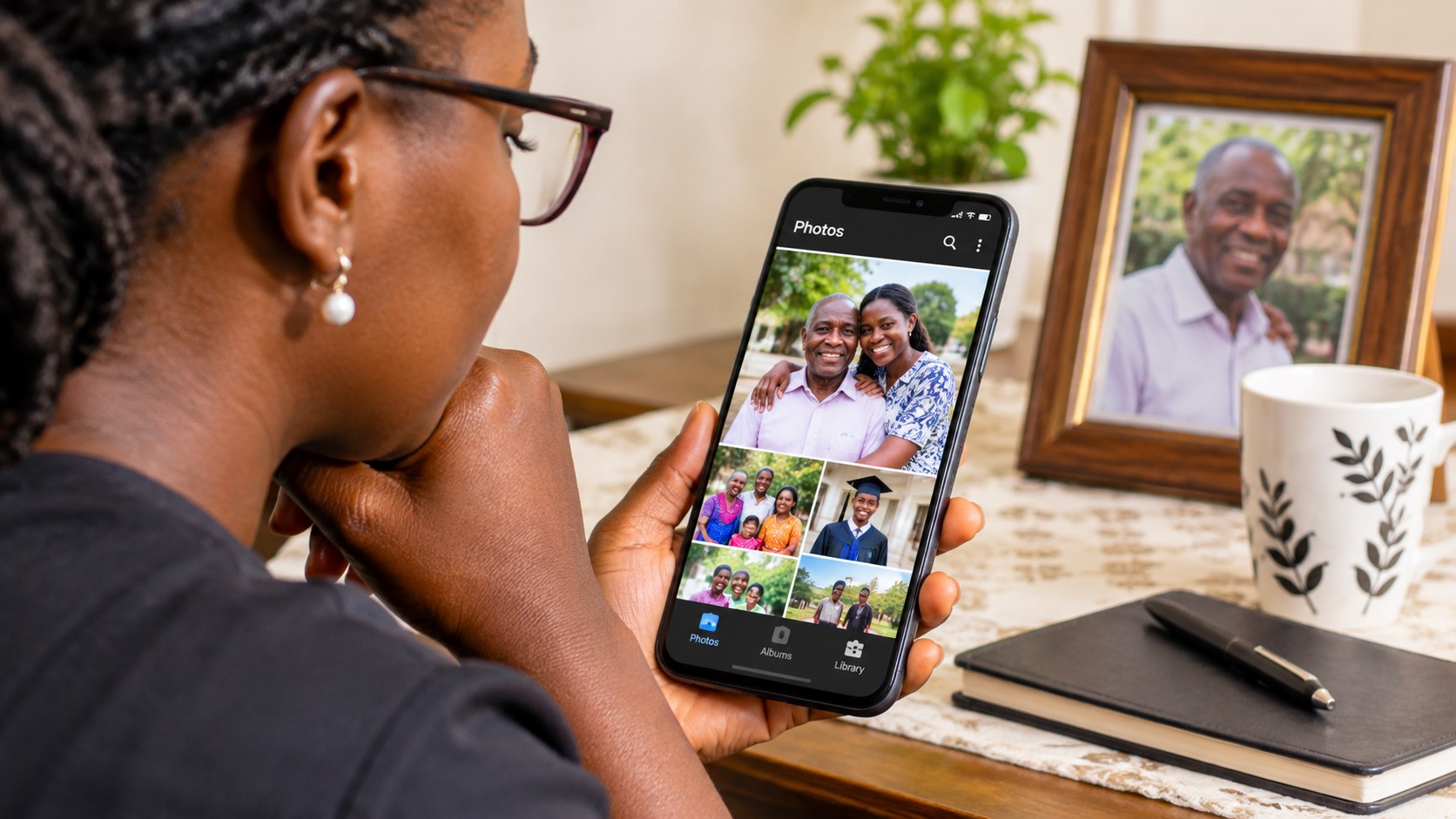
When a person dies, the family does not only inherit things that can be held in the hand. They may also inherit a phone full of conversations, a cloud account full of photographs and a social-media profile that continues to receive birthday wishes.
So much of our life now happens in spaces that cannot be seen from the outside. We pray through messages, share family news in groups and store years of friendship in a phone. When death comes, these spaces remain, sometimes offering comfort and sometimes leaving difficult questions.
Who should keep the photographs? Should an account be memorialised or deleted? Who may read private messages? These questions sound technical, but they touch memory, dignity, privacy and the way a family says goodbye. Perhaps it is time we began to will our digital space.
Grief is difficult enough without navigating a locked phone or complicated platform rules. A family member may need to find a photograph, cancel a subscription or preserve a voice note while arranging a funeral. Sometimes the password is known; sometimes it is not. Sometimes an account remains visible, but no one has authority to manage it. The emotional burden can be just as serious. One relative may want to keep every photograph; another may not be ready to see the person’s face on a screen. Family members may disagree about what should be shared publicly, creating conflict while everyone is already carrying loss. The Digital Legacy Association calls this collection of profiles, messages, photographs and other online traces a digital legacy.
Talking about a digital will may feel uncomfortable. Yet Catholic life understands preparation as an expression of responsibility. We put our affairs in order so that those entrusted with our belongings are not left confused. A digital will belongs within that same spirit of care.
It does not replace a legal will or control every story told about us. It records our wishes for the digital spaces that have become part of our relationships. One person may want a profile memorialised; another may prefer deletion. Someone may want photographs shared but private messages left untouched. A religious sister may want community photographs preserved in the congregation’s archive. These decisions should be discussed while we are alive and able to speak for ourselves.
Catholic communities accompany people through the funeral liturgy, the rosary, condolence visits and practical help. We are still learning how to accompany people through the digital remains of a life. Accompaniment requires respect: a deceased relative’s private messages do not automatically become family property, and preserving an account may comfort one person while disturbing another.
Faith can offer hope, but it should not silence psychological pain. Prayer and community support can stand alongside counselling, medical care and professional grief support. If digital reminders affect sleep, safety, work or self-care, seeking help is not a failure of faith. It is one way of receiving care.
What Belongs in a Digital Will?
Begin with an inventory of important accounts: email, social media, cloud storage, banking, subscriptions, work platforms, websites and devices. State what should happen to each one: should it be closed, preserved, memorialised or transferred to someone trusted?
Choose a trusted person to carry out these wishes. Store access details securely and explain what that person may use. Save important photographs and documents in more than one place because phones are lost and accounts can close.
Facebook, for example, allows a legacy contact to manage limited parts of a memorialised profile, but that person cannot log in, read private messages or edit old posts [2]. Other platforms have different rules, so instructions should be reviewed occasionally. Families can also discuss who will moderate a memorial page and which photographs should remain private.
A Quiet Gift to Those We Leave Behind
A digital will recognises that our online lives have become part of our human lives. Clear instructions can protect privacy, preserve meaningful memories and reduce conflict. They can also give a family permission to grieve slowly: to ask for help, divide the work and leave some accounts untouched until they are ready.
Perhaps the question for our families, parishes and religious communities is simple: how can we accompany one another not only in life, but also in the digital spaces we leave behind? The conversation may feel uncomfortable, but it may become one of the most practical gifts we offer those who will one day have to live with our absence.