Fr. Don Bosco Onyalla, C.S.Sp., has launched a new biography documenting the life and missionary legacy of the late Bishop Caesar Mazzolari, MCCJ, who served as Bishop of Rumbek Diocese in South Sudan.
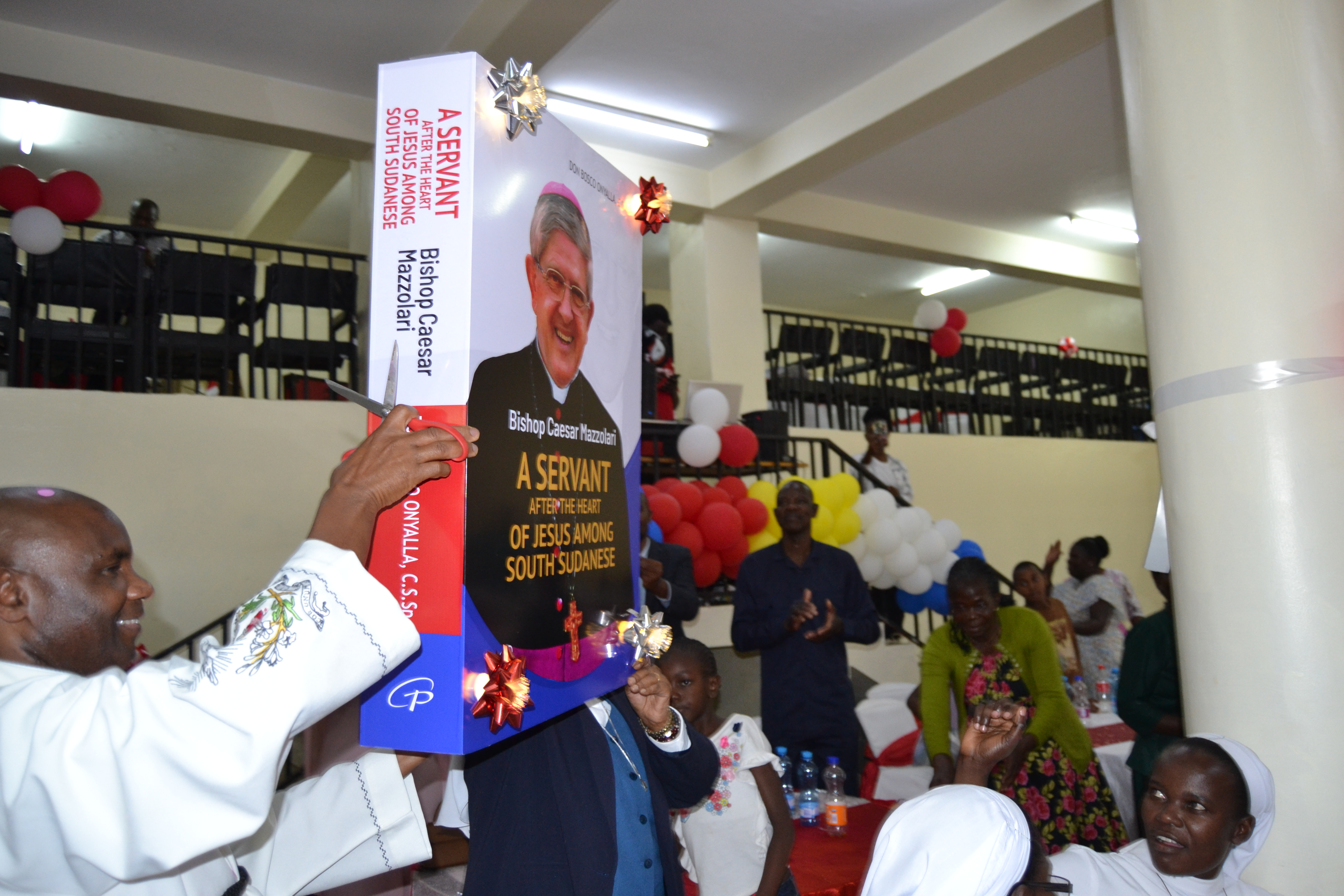
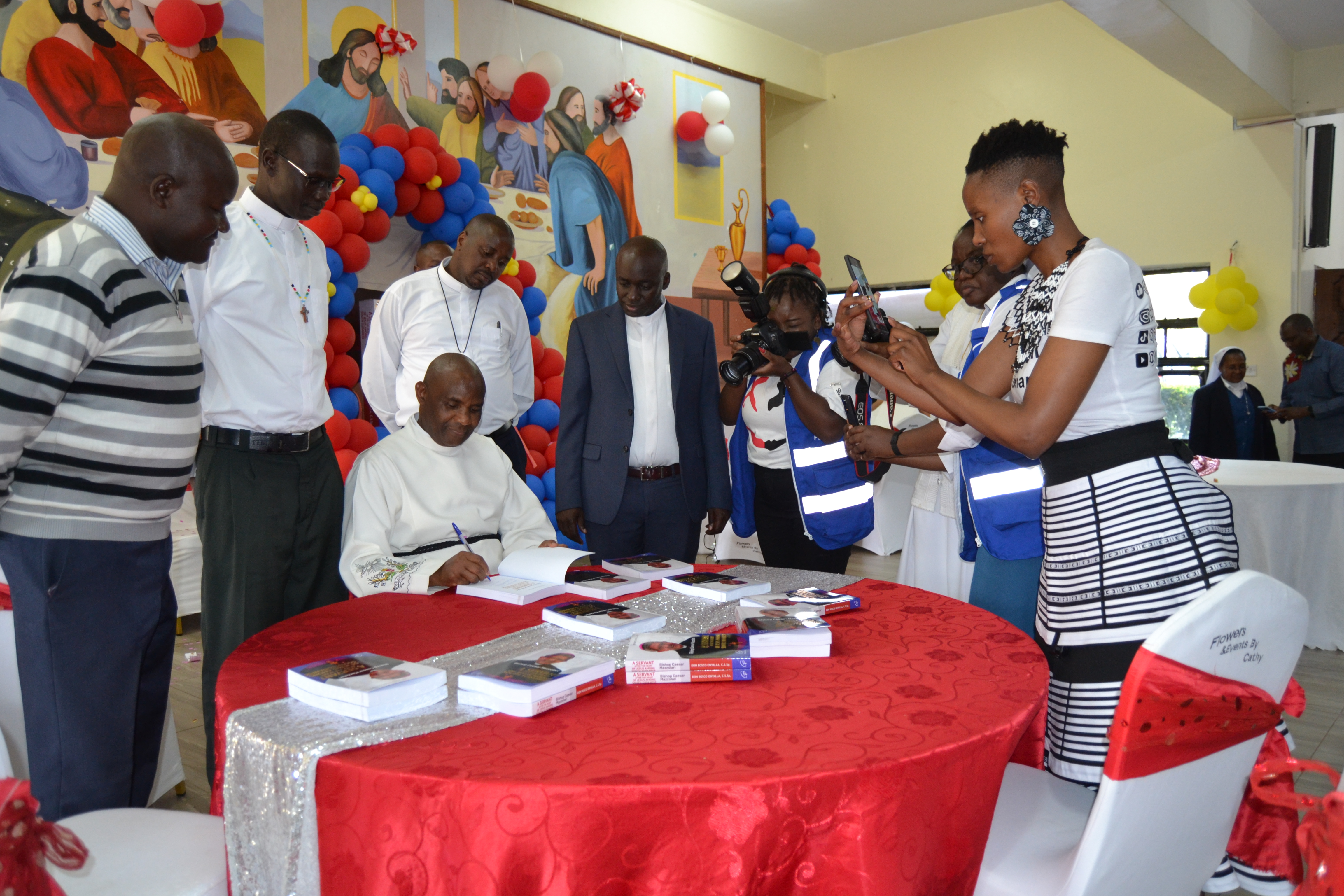
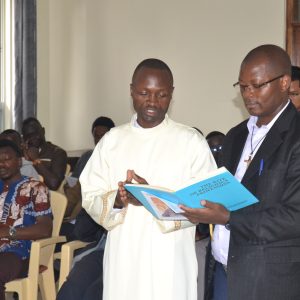
Titled Bishop Caesar Mazzolari: A Servant After the Heart of Jesus Among South Sudanese, the book was launched on Sunday, September 27, 2026, at St. Austin’s Parish, Msongari, Nairobi, on the same day Fr. Don Bosco made his Perpetual Profession as a member of the Congregation of the Holy Spirit (Spiritans).
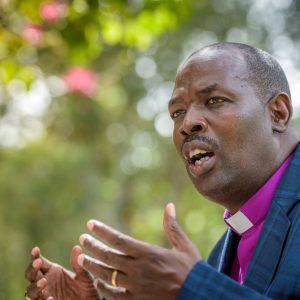
The Perpetual Profession was presided over by Bishop Mark Kadima Wamukoya of the Catholic Diocese of Bungoma.

For Fr. Don Bosco, the two occasions were deeply connected. He described the biography as an expression of gratitude to Bishop Mazzolari, whom he credits with helping him preserve his vocation to the priesthood when its future appeared uncertain.
Fr. Don Bosco began formation with the Spiritans in 1993, but his vows were not renewed in 2002, shortly before he was due to prepare for Perpetual Profession. In the aftermath, he was introduced to Bishop Mazzolari through Comboni Missionary Father Fernando Colombo.
In 2003, Mazzolari welcomed him into Rumbek Diocese and accompanied him through discernment and preparation for priesthood. Fr. Don Bosco was ordained a priest of the Diocese of Rumbek in March 2005.
“Bishop Caesar Mazzolari helped preserve my vocation when its future seemed so uncertain,” Fr. Don Bosco said.
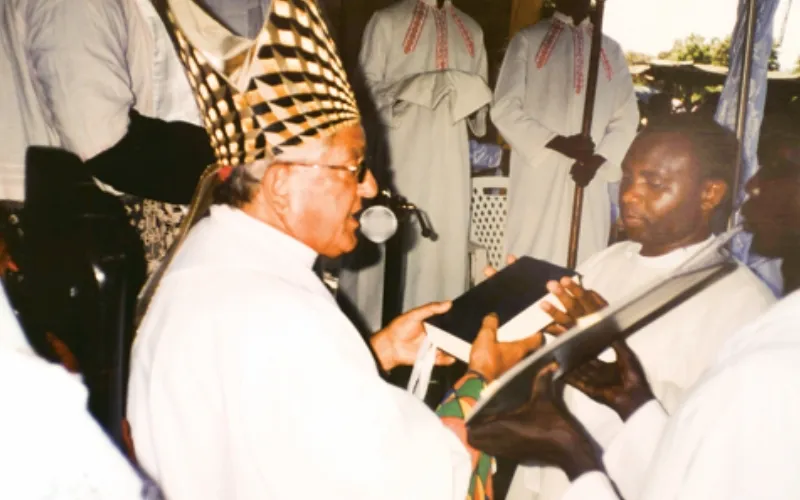
He said the idea for the biography began in January 2009, when he interviewed Mazzolari about the history of Rumbek Diocese as the bishop prepared to mark his tenth anniversary as Bishop of Rumbek.
According to Fr. Don Bosco, Mazzolari told him that what he was about to share needed to be kept “in safekeeping” as a record of what God had accomplished among his people.
Those words remained with him. Following Mazzolari’s death in 2011, Fr. Don Bosco felt a responsibility to preserve his recollections and tell the story of his missionary service.
The biography draws on testimonies, diocesan records, photographs and accounts from people who knew and worked with Mazzolari. It traces the Italian Comboni missionary’s ministry among the people of southern Sudan through years marked by war, displacement, famine, peace efforts and the emergence of South Sudan as an independent nation.

Fr. Don Bosco also recalled Mazzolari’s final days. He attended the last meeting convened and chaired by the bishop on July 15, 2011. On July 16, he was among the priests celebrating Mass at Rumbek Cathedral when Mazzolari collapsed during the celebration. The bishop died later that day.
For John Ashworth, who edited the biography and spent 40 years working with the Church in Sudan and South Sudan, documenting Mazzolari’s life is important for preserving the memory of those who helped build the Church in the region.
“We’re standing on his shoulders,” Ashworth said, emphasizing the importance of remembering the missionaries and communities who came before.

Ashworth described Mazzolari as a humble, pastoral and caring bishop who identified deeply with the people he served. He recalled moments when the bishop wept over the suffering and future of South Sudanese people, including discussions concerning young South Sudanese refugees known as the “Lost Boys” and an encounter with representatives of an oil company operating in the country.
According to Ashworth, Mazzolari’s commitment extended beyond pastoral ministry to peacebuilding, humanitarian work and advocacy for communities affected by conflict.
“He has left his mark for the good on South Sudan,” Ashworth said, describing the biography as a way of making Mazzolari’s life and witness accessible to future generations.
Mazzolari’s missionary influence also shaped Fr. Don Bosco’s years of service in South Sudan. During his ministry in Rumbek, he worked in pastoral and communication ministries and contributed to the development of Catholic broadcasting.
Mazzolari entrusted him with establishing Good News Radio in Rumbek, where Fr. Don Bosco served as founding director. The station provided a platform for evangelisation, civic education, peacebuilding and community participation.
The book launch also came at a significant moment in Fr. Don Bosco’s own vocation. In his thanksgiving after making his Perpetual Profession, he expressed gratitude to Rumbek Diocese and the people of South Sudan for giving his priestly vocation a home, and to the Spiritans for welcoming him back and accompanying him towards his lifelong commitment.
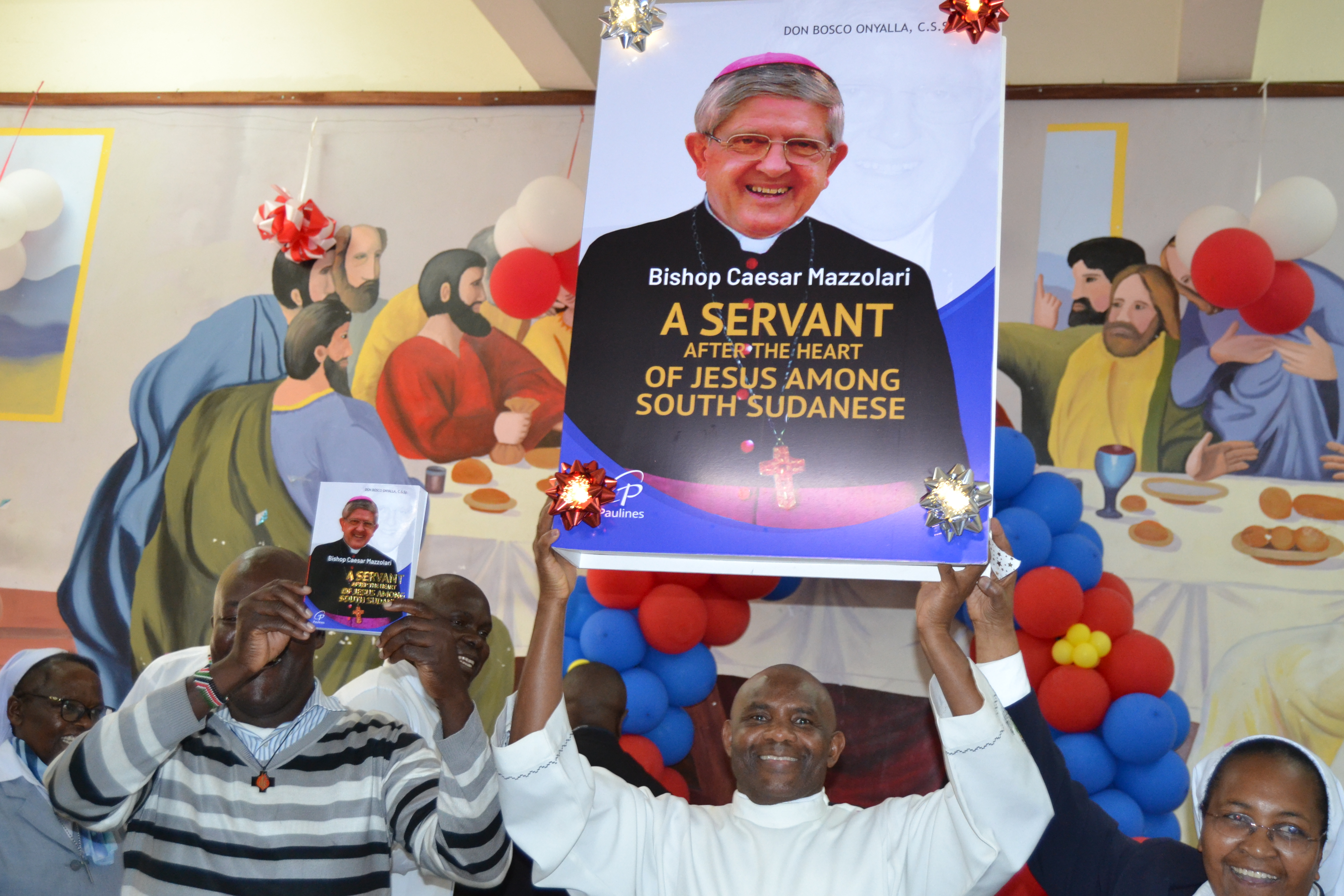
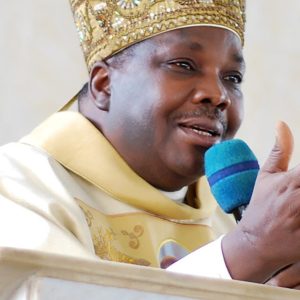
Reflecting on religious vocation during the Mass, Bishop Kadima encouraged Fr. Don Bosco to allow his years of formation and ministry to make him a better person, emphasizing the importance of learning from mistakes, perseverance, humility and forgiveness.
Meanwhile, Very Rev. Fr. Fredrick Elima Wafula, C.S.Sp., The Provincial Superior of the Congregation of the Holy Spirit (Spiritans / Holy Ghost Fathers / C.S.Sp.) in Kenya and South Sudan described the occasion as a celebration of Fr. Don Bosco’s “final yes” and reminded him that his vows must be lived not only on significant days but also through the ordinary realities of religious life.
“The mission is bigger than the missionary. We are simply instruments in God’s hands,” Fr. Elima said.
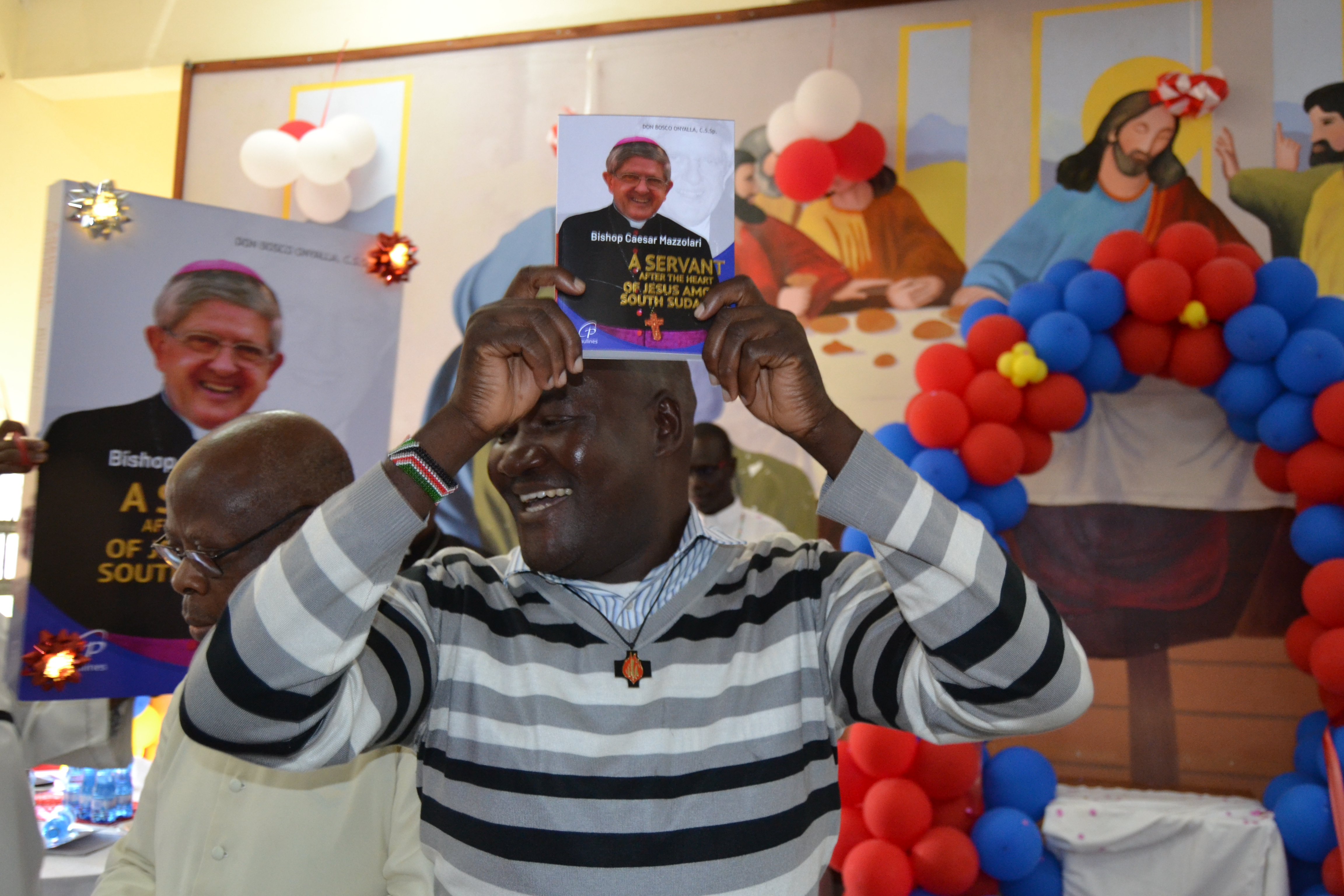
For Fr. Don Bosco, the biography and his Perpetual Profession therefore converge in a shared theme of missionary service. The life of Bishop Mazzolari, he said, leaves readers with a question that remains relevant beyond his own time and place:
What does it mean in our own time and place to become servants after the heart of Jesus?