By Kennedy Otieno
The growing use of criminal gangs, commonly referred to as “goons,” in Kenya’s political landscape has continued to draw strong condemnation from religious leaders, civil society, and members of the public, with renewed calls for decisive government action to restore law and order.
Speaking during the reopening of St. Nicholas Chapel at All Saints’ Cathedral in Nairobi, Archbishop Jackson Ole Sapit of the Anglican Church of Kenya urged the government to move beyond public warnings and ensure that those responsible for orchestrating acts of violence are brought to justice.
The service came weeks after armed individuals stormed the cathedral compound during demonstrations in June, an incident that shocked many Kenyans and raised concerns about the safety of places of worship. The matter is currently before the courts.

Archbishop Sapit said the government’s credibility has been weakened by persistent allegations linking political actors and state agencies to organized groups that have disrupted public gatherings and peaceful demonstrations. He stressed that public confidence can only be restored through transparent investigations, accountability, and equal application of the law.
Referring to the attack on the cathedral, the Archbishop called for the arrest and prosecution of all those responsible, including anyone who planned or financed the violence. He also questioned whether criminal gangs were increasingly operating with impunity, pointing to the unresolved death of Albert Ojwang as an example of the need for timely and credible justice.
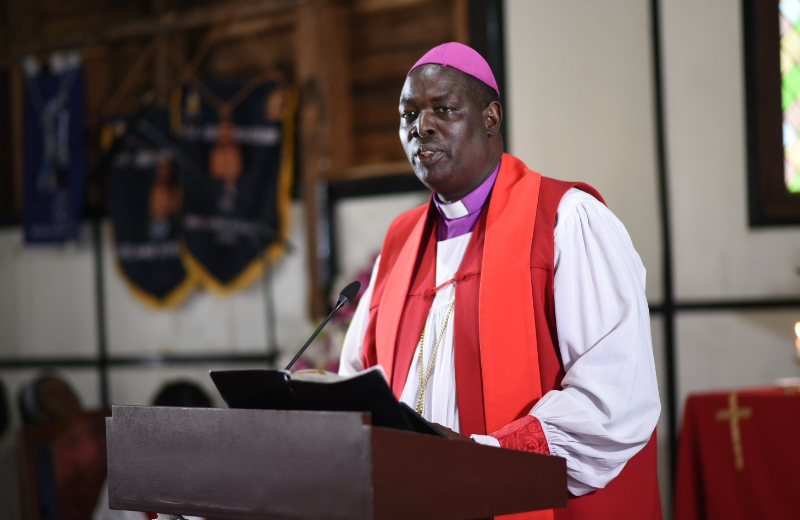
The Anglican leader further warned that politically motivated violence threatens national unity, undermines democratic institutions, and discourages economic growth by creating an environment of fear and instability. He also condemned the violence reported during the Ol Kalou by-election, where armed and masked individuals allegedly attacked opposition supporters despite the presence of security officers.
His remarks came a day after President William Ruto directed security agencies to take firm action against criminal gangs, describing goonism as a serious threat to Kenya’s peace, security, and long-term development.
Over the past several months, groups described as goons have repeatedly been accused of disrupting political rallies, intimidating activists, attacking protesters, interfering with public participation forums, and targeting businesses during demonstrations. Human rights organisations and religious leaders have consistently called for impartial investigations into these incidents and for those responsible to be held accountable.
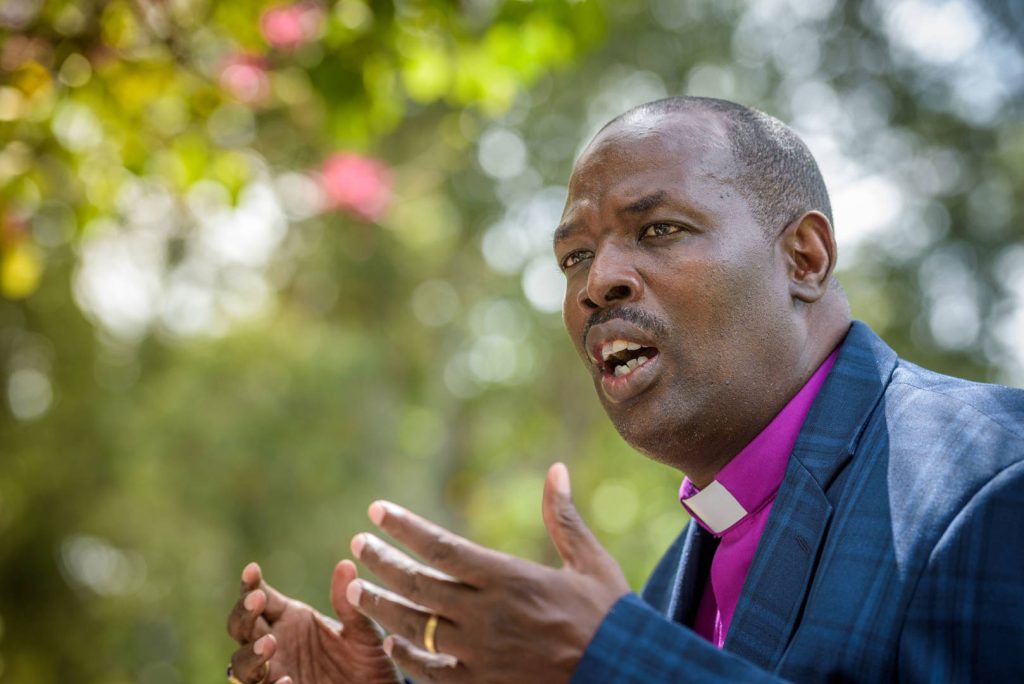
The Kenya Conference of Catholic Bishops (KCCB) has also repeatedly condemned the rise in politically sponsored violence, warning that the use of criminal gangs to intimidate citizens undermines democracy, violates human dignity, and weakens the rule of law. The bishops have urged leaders to reject violence and safeguard the constitutional rights of all Kenyans, including the freedoms of expression, assembly, and political participation.
Political violence also carries significant economic consequences. Businesses often suffer losses through looting and vandalism, public infrastructure is damaged, and investor confidence may be affected when insecurity persists. Such instability can slow economic growth while placing additional pressure on public resources needed for reconstruction and security operations.
Although the government has pledged to address the problem, critics argue that stronger enforcement, timely investigations, and successful prosecutions are necessary to deter future incidents. Government officials, however, maintain that security agencies remain committed to protecting citizens and have encouraged the public to cooperate with law enforcement by reporting criminal activities.
There have also been reports of suspected goons being attacked by angry members of the public in acts of mob justice. Religious leaders and human rights organisations have consistently cautioned against taking the law into one’s own hands, stressing that while criminal behaviour must be confronted, justice should be administered through lawful institutions rather than through violence.As Kenya gradually moves toward the 2027 General Election, religious leaders continue to appeal for peaceful political engagement, respect for human dignity, and accountability from both political leaders and security agencies. They warn that addressing political violence now will be critical to safeguarding democratic processes and preserving national unity in the years ahead.